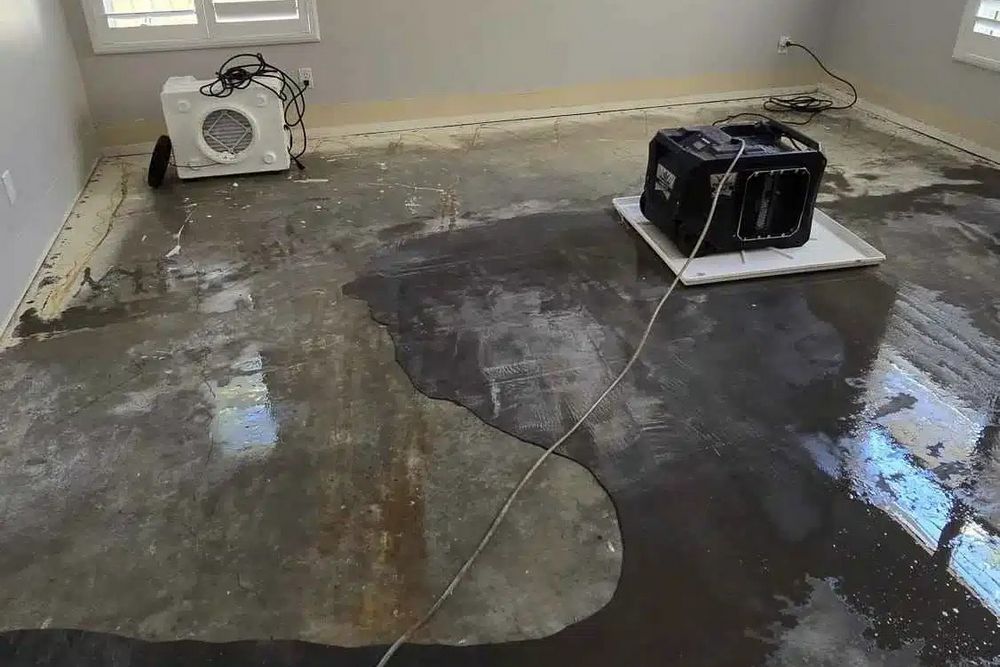
After fire or water damage, the initial focus is usually on cleanup. Water is extracted, debris is removed, and surfaces are dried or cleaned. In many cases, this is enough to stabilize the situation. However, there are times when cleanup alone cannot restore your home to a safe or functional condition. Structural materials may be weakened, finishes may be beyond repair, or layouts may no longer meet safety standards. Fire can compromise framing, wiring, and support systems, while water can cause wood to swell, drywall to crumble, and subfloors to lose strength. If you notice that affected areas still feel unstable, uneven, or unusable after initial restoration efforts, reconstruction may be necessary. Recognizing this turning point early helps you avoid living with hidden damage that can worsen over time. Reconstruction is not about cosmetic upgrades. It is about rebuilding damaged areas so your home is safe, stable, and fully usable again.
How Fire and Water Damage Can Affect Structural Integrity
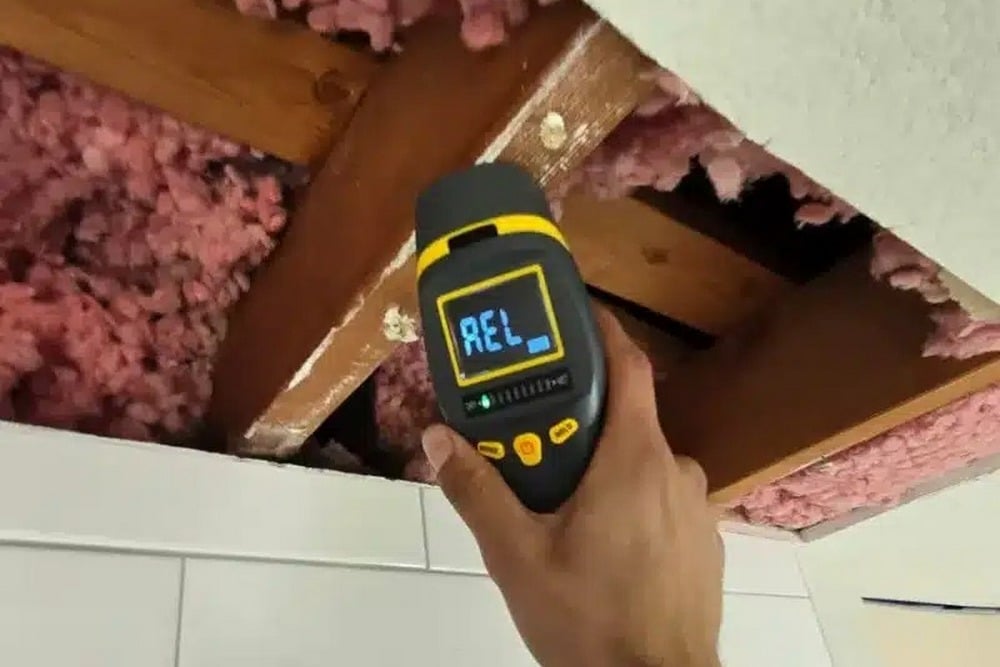
Fire and water damage often reach deeper than what you can see on the surface. Heat from a fire can weaken load-bearing components, warp framing, and damage electrical systems behind walls. Even if surfaces appear intact, the underlying structure may no longer perform as intended. Water damage creates its own set of risks. Prolonged moisture exposure can rot wood, loosen fasteners, and cause shifting in floors or walls. You might notice cracks forming, doors no longer closing properly, or floors that slope or feel soft underfoot. These changes are signs that the structure of your home has been affected. Reconstruction services address these deeper issues by repairing or replacing damaged materials and restoring proper support. Acting when these signs appear helps prevent further deterioration and reduces the chance of future safety concerns.
A Practical Checklist to Help You Decide if Reconstruction Is Needed
It can be not easy to know when restoration should transition into reconstruction. This checklist can help you evaluate your situation more clearly.
- Walls, ceilings, or floors remain damaged after drying or cleaning.
- Structural materials exhibit warping, cracking, or other signs of weakness.
- Sections of drywall, flooring, or cabinetry must be removed entirely.
- Fire damage affected the framing, electrical systems, or insulation.
- Water damage caused rot or long-term moisture exposure
- Rooms feel unsafe, unstable, or unusable.
- Repairs would be incomplete without rebuilding affected areas.
If several of these conditions apply to your home, reconstruction is likely the next step. This checklist helps you move beyond uncertainty and focus on what your home truly needs to be adequately restored.
Why Delaying Reconstruction Can Create Bigger Problems
Putting off reconstruction after significant fire or water damage can lead to ongoing issues that are harder to fix later. Compromised materials do not heal on their own. Over time, weakened framing can shift, damaged drywall can crumble, and moisture-affected areas can deteriorate further. Delays can also affect indoor air quality if damaged materials trap odors or moisture. In some cases, partial repairs mask underlying problems, giving the impression that everything is fine when it is not. This can result in repeated repairs, higher costs, and prolonged disruption to your daily life. Addressing reconstruction needs promptly lets you fully restore the affected areas, rather than repeatedly patching problems. Properly rebuilding damaged sections helps restore confidence in your home and supports long-term stability.
How Reconstruction Helps You Move Forward With Confidence
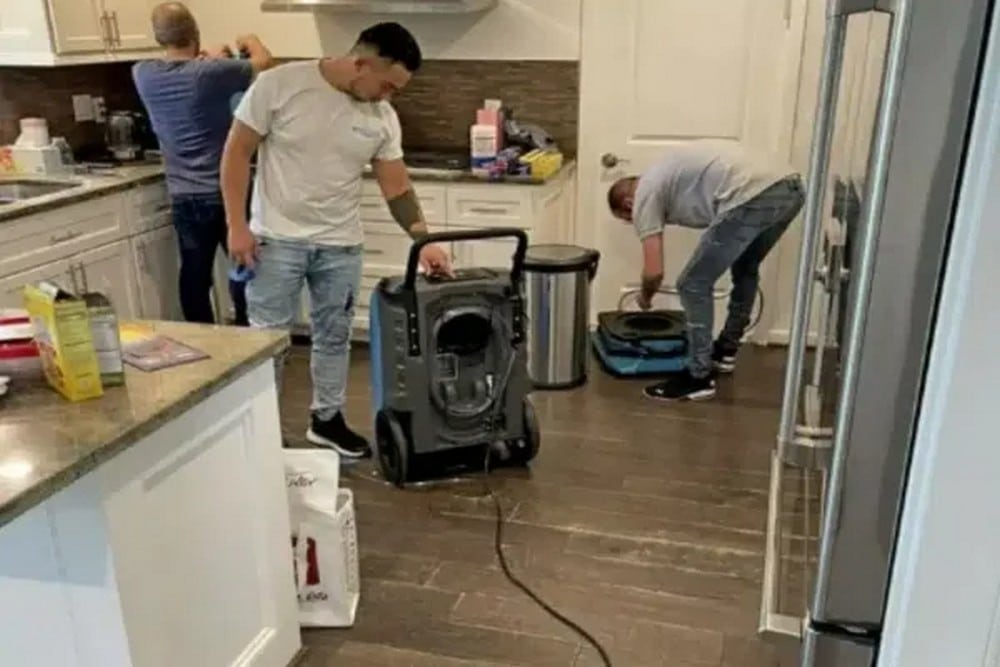
When fire or water damage goes beyond surface restoration, reconstruction provides a clear path forward. Acting quickly allows for a complete assessment of what must be rebuilt, followed by proper removal of damaged materials, structural drying, and correction of conditions that could cause future issues. This approach helps ensure your home is not only repaired, but truly restored. By rebuilding affected areas, you regain safe, functional spaces and reduce the risk of ongoing damage. If water intrudes or fire damage impacts your home, timely action makes a meaningful difference. Our certified team evaluates the loss, removes water, dries structures, and addresses microbial risks before moving into reconstruction when needed. For 24/7 help, call (619) 679-9237, email office@whiteglove-restoration.com, or use our online form to schedule a free consultation and take the next step toward safely restoring your home.