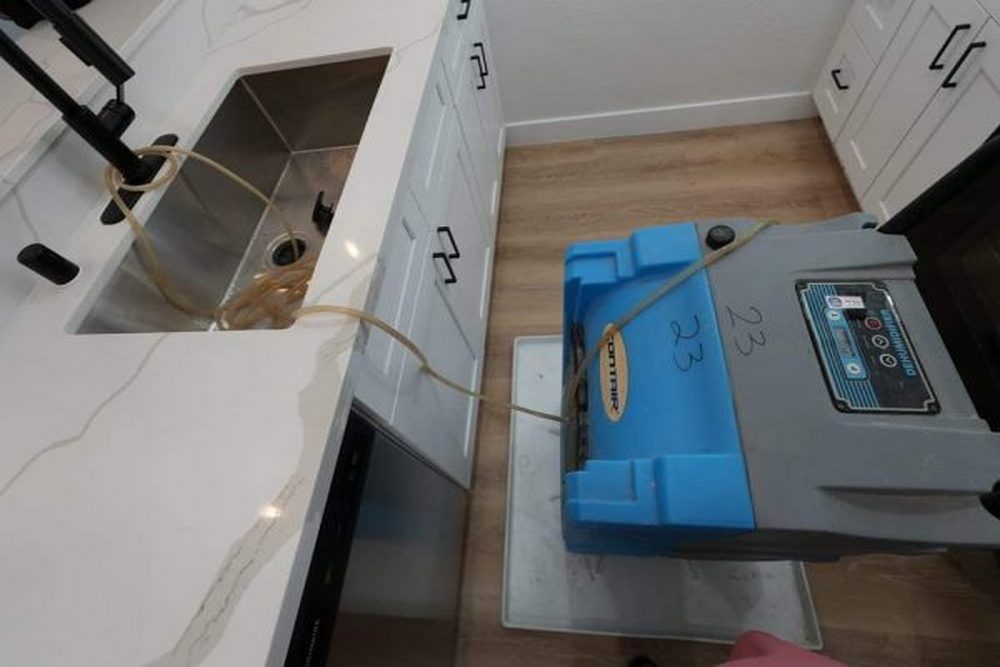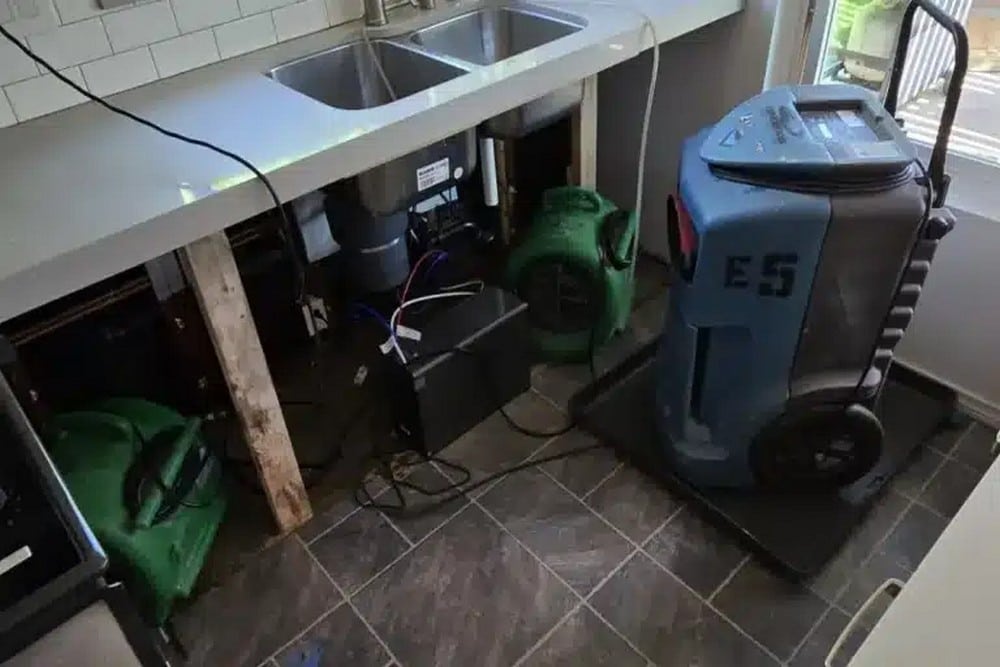
Hidden water damage often starts quietly, which is why it becomes such a serious issue. You may not notice anything wrong after a small leak, a brief overflow, or water exposure behind walls or under floors. Moisture can travel through drywall, seep beneath tile, or collect inside cabinets without leaving obvious signs. Over time, this trapped moisture weakens materials and creates conditions that lead to unpleasant odors and unhealthy indoor air. Because the damage is not immediately visible, it is easy to assume everything is fine. Unfortunately, by the time clear symptoms appear, repairs are often more extensive. Learning how to recognize early warning signs allows you to act before moisture spreads further. Paying attention to subtle changes in your home can help you stop water-related issues early and avoid major disruption later.
Subtle Clues That Point to Moisture Where You Cannot See It
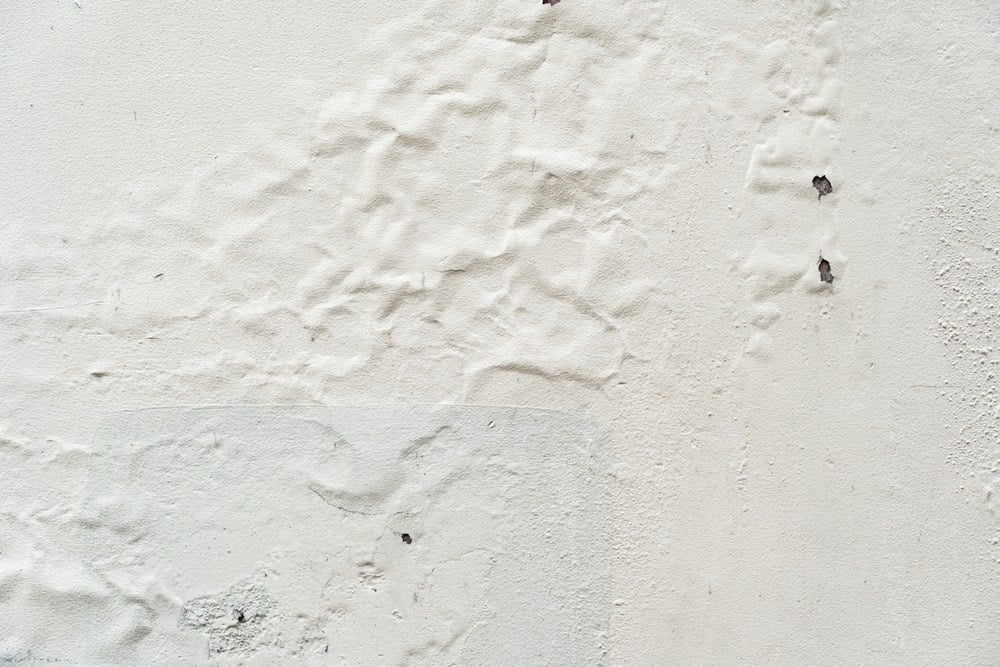
Your home often gives you hints when hidden water damage is present, even if the source is out of sight. You might notice paint starting to bubble or peel, walls that feel slightly soft to the touch, or flooring that begins to warp or separate. A musty smell that persists is another common indicator of trapped moisture. You may also hear dripping sounds behind walls or notice an unexplained increase in humidity indoors. Changes like doors sticking, baseboards pulling away, or stains forming on ceilings are signs that water may be collecting where it shouldn’t. These clues should never be ignored. When moisture remains hidden, it continues to spread and affect surrounding materials. Recognizing these early signs gives you the opportunity to address the problem before it becomes a much larger and more expensive repair.
A Simple Checklist to Spot Hidden Water Damage Early
When you suspect moisture but cannot see obvious damage, a checklist can help you stay focused and proactive.
- Unexplained musty or damp odors
- Discoloration or stains on walls or ceilings
- Warped, buckling, or soft flooring
- Peeling paint or bubbling wallpaper
- Increased indoor humidity without a clear reason
- Dripping sounds or water movement behind walls
- Cabinets or baseboards pulling away from surfaces
If you notice one or more of these signs, it is likely that water is present where it should not be. This checklist helps you identify issues early and decide when further evaluation is needed. Acting at the first sign of trouble can prevent moisture from spreading into additional areas of your home.
Why Waiting Makes Hidden Water Damage Worse
Delaying action when hidden water damage is suspected often leads to more severe consequences. Moisture that remains trapped inside walls, floors, or ceilings continues to break down materials over time. Wood can swell and weaken, drywall can lose its integrity, and metal components may begin to corrode. In addition, prolonged moisture creates conditions that support microbial growth, which can affect air quality and overall comfort. The longer the issue goes unaddressed, the more extensive the restoration process becomes. What may have started as a small, contained problem can turn into widespread damage affecting multiple rooms. Addressing hidden moisture early allows for targeted repairs rather than large-scale restoration. Quick attention helps preserve your home’s structure and reduces long-term costs.
How Acting Quickly Helps Restore Your Home Safely
When water intrudes, acting fast is the best way to protect your home. Early intervention enables a thorough assessment to identify hidden moisture, followed by effective water removal and controlled drying of affected areas. Addressing moisture promptly helps reduce the risk of further damage and supports a safer indoor environment. By identifying and treating the problem early, you can restore your home with less disruption and greater confidence. If you suspect hidden water damage or want professional help confirming what is happening behind the scenes, support is available at any time. For 24/7 assistance, call (619) 679-9237, email office@whiteglove-restoration.com, or use our online form to schedule a free consultation and take the next step toward safely restoring your home.