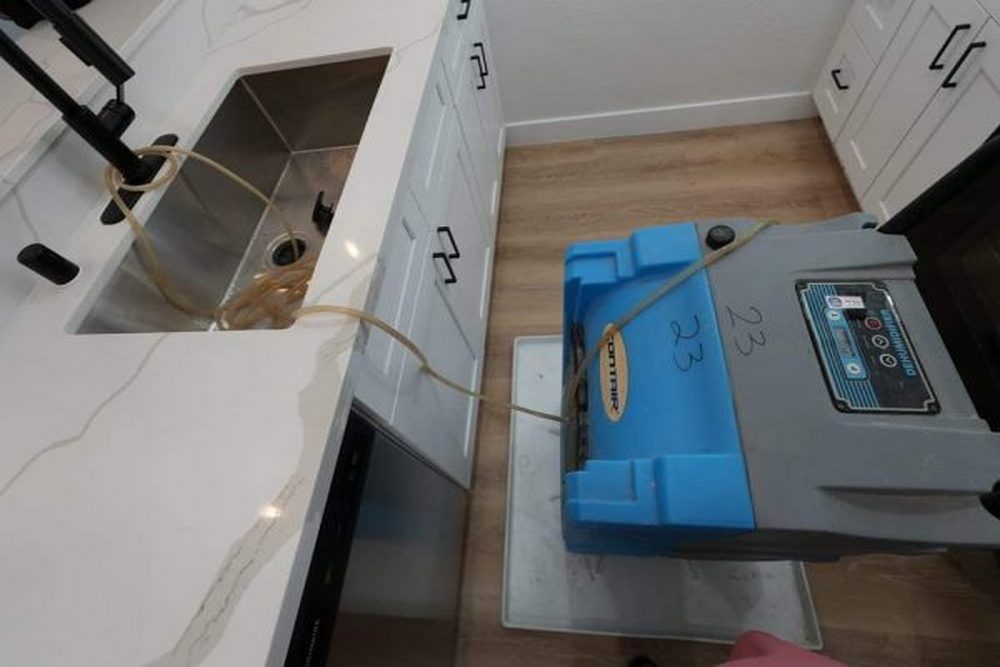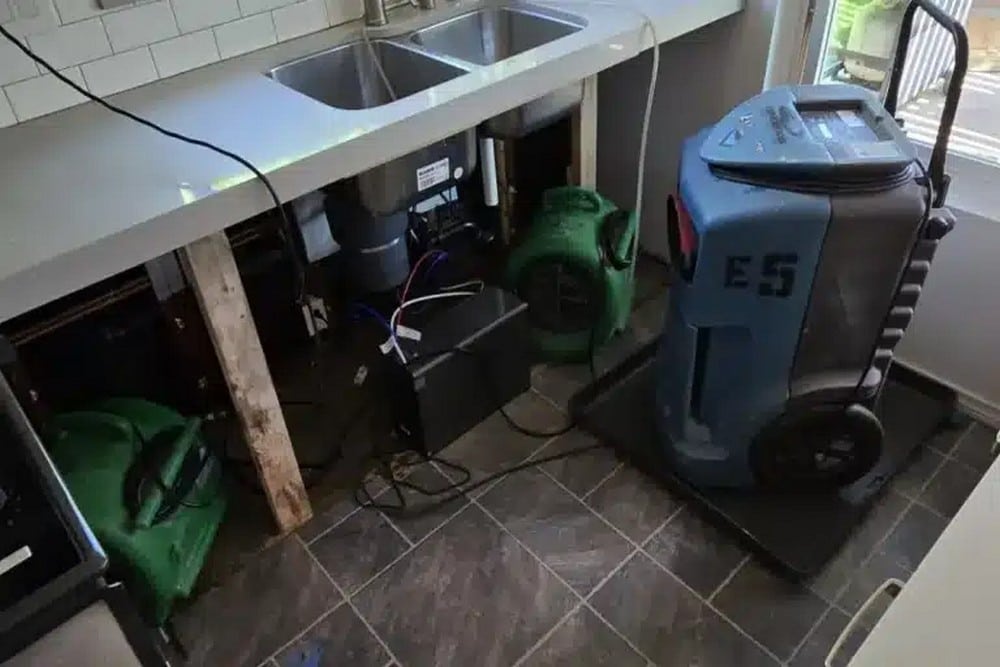
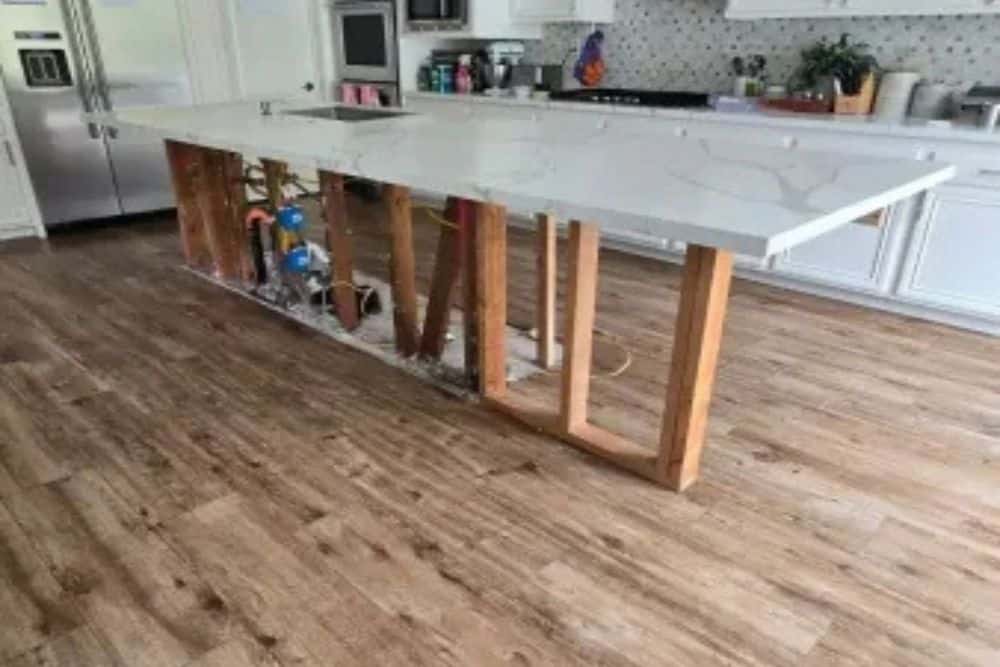
The best way to document water damage for insurance is to begin collecting evidence as soon as you discover the problem. Insurance companies want clear proof of what happened, where the damage occurred, and how extensive the loss is. Before moving furniture, removing materials, or starting cleanup, take photographs and videos of every affected area. Capture wide-angle images of entire rooms and close-up photos showing damaged flooring, walls, ceilings, baseboards, cabinets, and personal belongings. If the source of the water is visible, such as a burst pipe, a leaking appliance, an overflowing sink, or a roof leak, document it as well. Think of your documentation as building a timeline that tells the story of the loss. A claim supported by dozens of clear photographs and videos is often easier to evaluate than one supported only by verbal descriptions. Throughout San Diego, Chula Vista, Oceanside, Carlsbad, Escondido, and surrounding Southern California communities, property owners who document damage immediately often have stronger records when working with insurance adjusters. The goal is to preserve the property’s condition prior to mitigation and to create evidence that accurately reflects the scope of the water intrusion.
Create a Detailed Inventory of Damaged Property
Beyond photographs and videos, insurance companies often request a detailed inventory of damaged items and affected building materials. As you inspect the property, create a written list of everything impacted by the water. Include furniture, electronics, appliances, flooring, drywall, carpeting, personal belongings, and any other materials showing signs of damage. Whenever possible, record approximate purchase dates, estimated values, and receipts for high-value items. Comparing a simple statement such as “the living room was damaged” with a comprehensive inventory listing damaged flooring, furniture, electronics, and decorative items demonstrates why detailed records are important. The more information you provide, the easier it becomes for adjusters to understand the full extent of the loss. You should also save receipts related to emergency expenses, temporary repairs, and mitigation services. These records may become important during claim review. A complete inventory paired with photographic evidence creates a stronger claim package and helps reduce confusion during the evaluation process.
Preserve Evidence and Collect Professional Documentation
Insurance companies frequently rely on professional assessments to verify water damage claims, making it important to preserve evidence whenever possible. Avoid discarding damaged materials until your insurance company or restoration professionals have documented them. Water-damaged drywall, flooring, insulation, cabinetry, and personal belongings may serve as valuable evidence supporting your claim. Professional water damage restoration companies often perform moisture mapping, thermal imaging inspections, and structural assessments that identify both visible and hidden damage. These reports can reveal moisture trapped behind walls, beneath flooring, or inside structural components that may not be obvious during a visual inspection. Compare a property with only homeowner-provided photographs to one supported by moisture readings, drying logs, inspection reports, and restoration documentation. The second scenario often provides a clearer picture of the damage. If you need professional assistance, visit White Glove Restoration’s Water Damage Restoration service page and your local city service page to learn more about available services throughout Southern California. These reports not only support insurance claims but also help ensure that all affected areas are properly identified and addressed.
Frequently Asked Questions About Water Damage Documentation
Many homeowners and property managers have questions about how to document water damage for insurance. One common question is whether photos taken with a smartphone are acceptable. In most cases, yes, as long as the images clearly show the damage and are time-stamped when possible. Another frequently asked question is whether videos are necessary. Videos can be extremely useful because they provide context and show how multiple areas of the property were affected. Property owners also ask how much documentation is enough. The answer is simple: document more than you think you need. It is better to have extra evidence than to realize later that important details were missed. Another common question involves temporary repairs. You should keep receipts and photographs of any emergency measures taken to prevent additional damage. People also wonder whether hidden moisture can be documented. Professional moisture inspections often reveal damage that cannot be seen with the naked eye, providing valuable support for your claim. Understanding these frequently asked questions can help you prepare thorough documentation that supports a smoother claims process from beginning to end.
Work With White Glove Restoration to Support Your Insurance Claim
Proper documentation can significantly improve the insurance claim process after water damage affects your property. By taking immediate photographs, creating a detailed inventory, preserving evidence, and obtaining professional assessments, you provide insurance companies with the information they need to evaluate your claim accurately. Quick action also helps reduce additional damage and demonstrates that you took reasonable steps to address the situation. White Glove Restoration provides emergency water extraction, structural drying, moisture detection, mold remediation, and complete water damage restoration services throughout Southern California, including San Diego, Chula Vista, Oceanside, Carlsbad, Escondido, and nearby communities. Our team documents damage thoroughly, provides detailed moisture reports, and works to identify both visible and hidden water intrusion that may impact your claim. Visit our Water Damage Restoration service page and your local city page to learn more about the restoration services available in your area. If your home or business has experienced water damage, contact White Glove Restoration today to schedule an inspection and begin the restoration process before the damage becomes more extensive and costly to repair.
For 24/7 assistance, call (619) 759-5716, email office@whiteglove-restoration.com, or use our online form to schedule a free consultation and prompt support.