A professional mold inspection matters before remediation begins because you need to know where mold is located, how extensive the growth may be, and what moisture conditions are allowing it to develop. Seeing mold on one wall or ceiling does not always mean the problem is limited to that visible spot. Growth can exist behind drywall, beneath flooring, inside ceilings, around plumbing, or in other areas where you cannot easily see it. You may also notice a persistent musty odor without seeing any mold at all. An inspection can help identify areas that deserve closer attention before cleanup starts. This is particularly important after water damage because moisture can remain hidden and create conditions that support continued mold growth. Comparing inspection with immediate surface cleaning shows why the first step matters. Cleaning what you can see may temporarily improve an affected area, but it may leave hidden growth or an unresolved moisture source behind. White Glove Restoration provides professional mold remediation services for residential and commercial properties in San Diego County and can assess conditions contributing to mold growth. If you suspect mold in your home or business, an inspection can give you a clearer understanding of the issue before remediation work begins.
Hidden Mold Can Make Visible Growth Only Part of the Problem
Mold can spread beyond the area where you first notice it, particularly when moisture has been present for an extended period. A water leak behind a wall, condensation around an HVAC system, poor ventilation in an attic, or moisture inside a crawl space can create conditions for growth in areas that remain out of sight. You may notice discoloration on a ceiling while the underlying moisture extends farther than the visible stain. Similarly, mold around a bathroom fixture may indicate a moisture problem inside the wall rather than an isolated surface issue. Professional inspection helps you understand whether the visible growth represents the full extent of the problem. Comparing visible mold with hidden mold also explains why guessing the scope of remediation can lead to incomplete cleanup. If you treat only what you can see, you may leave affected materials untouched. White Glove Restoration can evaluate moisture-related conditions and determine where mold may require further attention. If your San Diego property has recurring mold, unexplained musty odors, or signs of previous water damage, arranging a professional assessment can help you identify concerns before they become a larger restoration issue.
Identifying Moisture Sources Supports More Complete Remediation
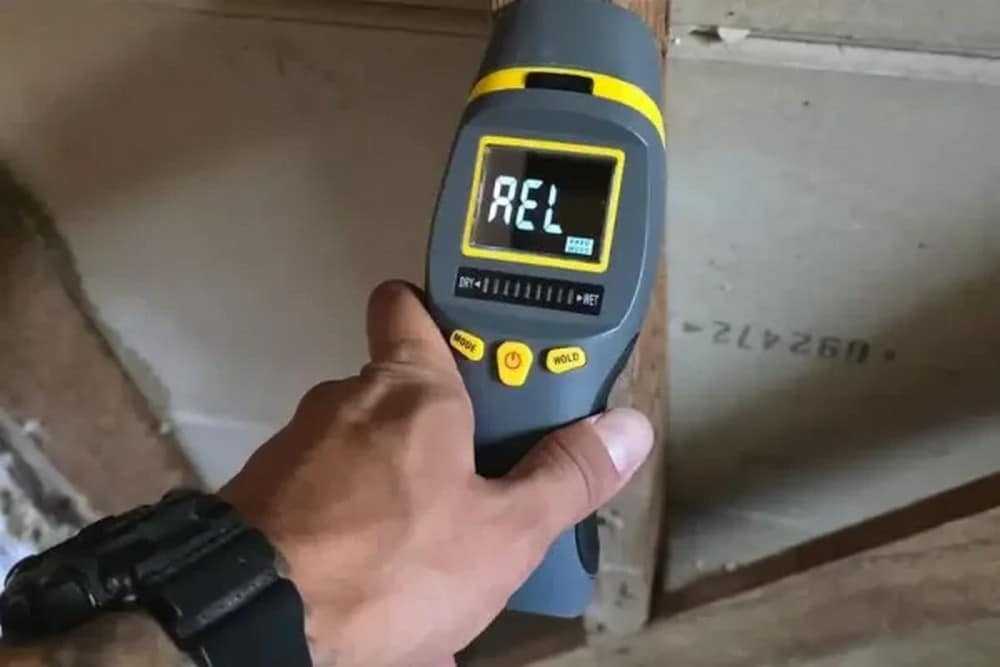
Mold remediation is more effective when you address the moisture source that allowed the growth to develop. Mold can return if a leak, condensation issue, humidity problem, roof intrusion, plumbing failure, or other moisture condition remains unresolved. This is why inspection should look beyond the visible growth. Your property may require moisture detection to determine whether water is present behind walls, beneath flooring, around ceilings, or in other concealed areas. Comparing mold removal with moisture correction demonstrates the importance of addressing both issues. Removing contaminated material without correcting the moisture condition can leave the property vulnerable to recurring growth. For example, mold in an attic may be connected to inadequate ventilation or a roof-related moisture problem. Mold in a crawl space may be associated with moisture intrusion or condensation. Mold around a bathroom may be related to plumbing leaks or persistent humidity. Each situation requires a different response based on the conditions present at the property. If you live in San Diego, La Jolla, Encinitas, Pacific Beach, Mission Valley, or another nearby community and suspect a moisture-related mold problem, contacting White Glove Restoration can help you determine what needs inspection before remediation begins.
Frequently Asked Questions About Mold Inspection
Many homeowners ask whether a visible mold spot always requires a complete property inspection. Not necessarily. The appropriate scope depends on the location, size, history, and conditions surrounding the growth. However, an inspection can be especially useful when mold keeps returning, when there has been previous water damage, or when you notice musty odors without an obvious source. Another common question is whether mold inspection and mold remediation are the same service. They serve different purposes. Inspection focuses on identifying the location and conditions associated with potential mold, while remediation focuses on removing or treating affected materials and addressing the conditions that contributed to the growth. Property owners also ask whether mold can exist without being visible. Yes. Mold may be concealed behind walls, beneath flooring, above ceilings, or in other areas where moisture has accumulated. Another question is whether you should clean visible mold before an inspection. It may be better to have the affected area assessed first, especially when you suspect the growth extends beyond the visible surface. Cleaning too early can remove evidence that helps a professional understand the extent and possible cause of the problem. If you have questions about suspected mold in your San Diego home or business, a professional evaluation can help you determine the appropriate next step.
Professional Mold Inspection Can Help You Plan the Right Restoration
A mold inspection provides useful information before remediation begins by identifying visible and potentially hidden growth, moisture conditions, and areas that may require additional attention. Instead of treating only the surface you can see, you can use the assessment to develop a more appropriate restoration plan based on the property’s actual conditions. White Glove Restoration provides professional mold remediation services for residential and commercial properties throughout San Diego County, including communities such as San Diego, La Jolla, Mission Valley, Pacific Beach, Encinitas, and surrounding areas. If you notice recurring mold, musty odors, water stains, or other signs of moisture-related problems, addressing the issue early can limit the affected material and reduce the potential for a larger remediation project. An inspection can also help you understand whether containment, material removal, cleaning, sanitizing, air filtration, or moisture correction may be necessary.
For 24/7 assistance, call (619) 679-9237, email office@whiteglove-restoration.com, or use our online form to schedule a free consultation and prompt support.
- All
- Burst Pipe Water Cleanup
- Fire and Smoke Damage Cleanup Services
- Flood Water Clean up
- Insurance
- Medically Sensitive Remediation
- Mold Remediation
- Reconstruction
- Water Damage Restoration
Yes. Medically sensitive remediation is often requested after water damage, mold growth, or other contamination in homes and facilities with vulnerable occupants. We address the source of the issue, remove affected materials when needed, and focus on cleanliness and air quality throughout the process.
You may benefit from this service if:
-
Someone in the property is undergoing chemotherapy or immune-suppressing treatments
-
There are severe asthma, COPD, or other chronic respiratory conditions
-
An elderly or medically fragile person lives in the home
-
A clinic, dental office, or care facility has experienced water damage, mold growth, or other contamination
Standard cleaning focuses on visible dirt and general sanitation. Medically sensitive remediation goes further by using enhanced containment, HEPA filtration, targeted removal of contaminated materials, and carefully chosen cleaning agents to help reduce particles and contaminants that may affect medically vulnerable individuals.
Medically sensitive remediation is a specialized cleaning and restoration service designed for environments where occupants have heightened health risks—such as those who are immunocompromised, elderly, recovering from surgery, or living with chronic respiratory conditions. It emphasizes stricter contamination control, air quality, and product selection compared to standard remediation.
A flood is defined as an overflow of water onto normally dry land, affecting at least two acres or two properties. Damage caused by sewer backups as a result of flooding is typically covered. However, if the sewer backup is not directly caused by a flood, the damage would not be covered under flood insurance.
If your wood floors are damaged by water, they will need to be closely monitored during the drying process by skilled professionals. At White Glove Restoration, we use specialized drying systems and dehumidifiers to ensure the wood floors dry properly, aiming to restore them to their original shape. Depending on the type of wood and finish, complete drying may take up to three weeks. During the insurance claims process, the adjuster will assess whether refinishing is possible or if replacement is necessary.
Drying time varies based on several factors, including the source and duration of the water, materials in your home, weather conditions, and how quickly restoration services are initiated. Our trained technicians continuously monitor and evaluate the drying process to ensure accurate results. Even if your carpet feels dry to the touch, it might still contain moisture beneath the surface.
If your belongings are at risk during the reconstruction, we offer pack-out and storage services. We’ll carefully pack and store your possessions in a secure, climate-controlled facility until your property is fully restored.
Whether or not your insurance will cover the reconstruction depends on your policy. White Glove Restoration works directly with insurance companies to help ensure you get the maximum coverage for your property damage.
Depending on the severity of the damage, you may need to temporarily relocate. For more extensive damage, we might recommend staying elsewhere to ensure your safety and comfort while reconstruction is ongoing.
The timeline for reconstruction can vary depending on the extent of the damage. For water damage, it could take several days to weeks, and for fire damage, it could take longer, depending on how severe the impact is. We work efficiently to restore your property as quickly as possible.
After a disaster, it’s crucial to contact emergency services and then call White Glove Restoration. Our experts will assess the damage and begin the restoration or reconstruction process right away to minimize further issues.
This depends on the level of damage. For minor damage, filing an insurance claim might increase your premiums more than you’d like. However, if the damage is significant, the higher premiums may be worth the protection and coverage.
While restoration work is ongoing, we can accommodate small upgrades or changes to your property. For more substantial renovations, we recommend consulting with a contractor for guidance.
Fire damage introduces various safety hazards, including smoke damage, weakened structural integrity, and water damage from firefighting efforts. To avoid further risks, it’s crucial to leave the cleanup to professional restoration experts.
Cleaning fire damage can take anywhere from a few days to a few weeks. Our goal is to restore your property and make it habitable for you and your family as soon as possible.
Call emergency services immediately. While the fire department works to put out the fire, contact White Glove Restoration. Our team will be there within an hour to begin the restoration process.
Black mold (Stachybotrys chartarum) is a toxic mold that often grows in damp, humid environments with long-standing water damage. It appears greenish-black and is associated with serious health risks due to the mycotoxins it releases. If you find black mold in your property, it is crucial to have it professionally removed to avoid health problems.
Mold thrives in damp, moist environments and feeds on organic materials like wood, drywall, carpet, and fabrics. It can also grow in areas such as HVAC systems, gutters, roofs, and foundations. Mold spores travel through the air or water, contaminating other areas of your home or business.
Yes, mold should not be ignored. It typically starts growing within 72 hours of exposure to moisture. If left untreated, it can lead to serious health issues like respiratory problems and allergic reactions. Immediate remediation can help prevent health hazards and structural damage.
Mold is a type of fungus that grows both indoors and outdoors. It spreads through spores that can travel through the air or water, and even in dry, hot, or cold conditions. Mold can grow on a variety of surfaces and is often found in areas with excess moisture.
If your claim is approved, insurance pays to return your home to its pre-loss condition only. That said, when extensive replacements are needed, it can be a good time to upgrade—just be prepared to cover any costs above the insurer’s allowance out of pocket.
We’re here to make the water damage process clear and efficient so you can stop the damage and start repairs quickly. When you need a restoration team with the skill, commitment, and equipment to handle any size loss, reach out to White Glove Restoration—we’ll help get your home back to its prior condition fast.
Our trained technicians use advanced equipment to detect moisture and ensure all areas are completely dry before restoration begins. You’ll receive detailed reports, giving you full visibility and confidence in your property’s recovery progress.
We measure every affected area and input the data into professional estimating software. The pricing comes from region-specific industry standards. Insurers like working with contractors who use these tools because they provide fair, consistent, and competitive estimates.
It’s the value of your property at the time of loss, based on the cost to repair or replace it with materials or items of similar type, quality, and function—without deducting for depreciation—whichever amount is lower.
Always hire certified and trained restoration professionals who specialize in fire, smoke, and water damage recovery.
Mold needs moisture and a food source. Poor ventilation traps moisture indoors, which encourages growth. You can prevent it by controlling humidity and starting emergency drying right after the loss. If mold develops directly because of a covered incident, your policy typically pays for its removal.
Usually, no. Most insurance policies expect you to take immediate action to prevent further damage.