Water damage does not always stay in plain sight. In many cases, moisture travels under flooring, behind cabinets, or inside walls before it becomes noticeable. By the time visible signs appear, the damage may already be spreading through surrounding materials. This is why early detection is so important when dealing with water issues inside a property. Moisture mapping is a process used by restoration professionals to locate hidden moisture and determine how far water has traveled. By accurately identifying affected areas, property owners can address water damage sooner and prevent additional structural problems.
How Water Moves Through a Property
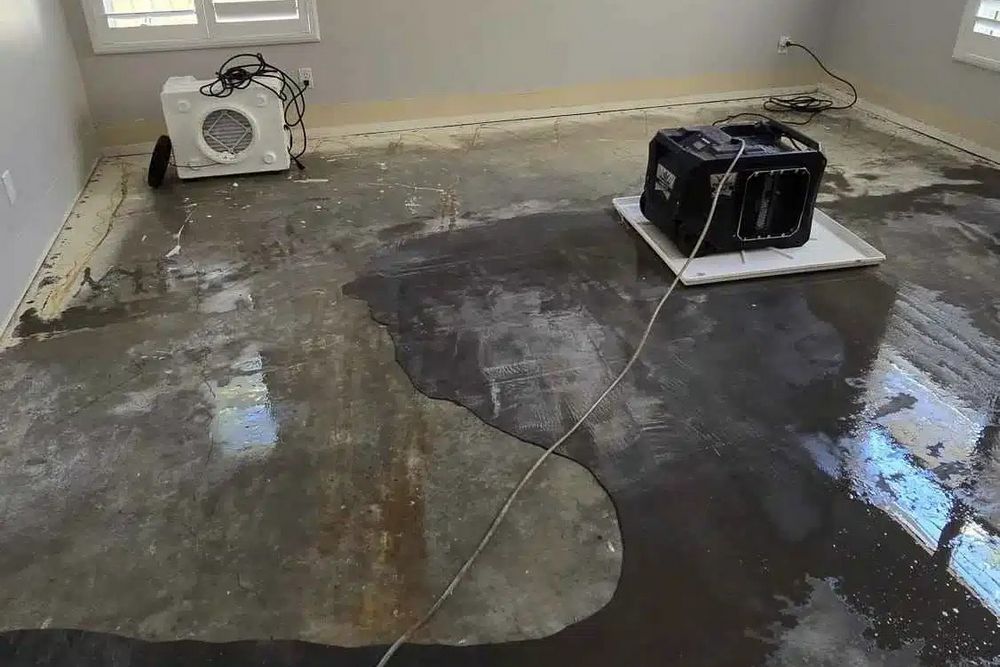
Water rarely stays in one place after a leak or spill occurs. Instead, it spreads through building materials and follows the path of least resistance. Floors, subfloors, cabinetry bases, and wall cavities can all allow water to travel unnoticed. Because many of these areas are not easily visible, moisture may continue to move until it reaches materials that absorb it. This movement can lead to warped flooring, swelling wood, and weakened structural components over time. Without proper detection methods, water trapped beneath surfaces can persist for long periods, causing further complications within the building.
What Moisture Mapping Actually Does
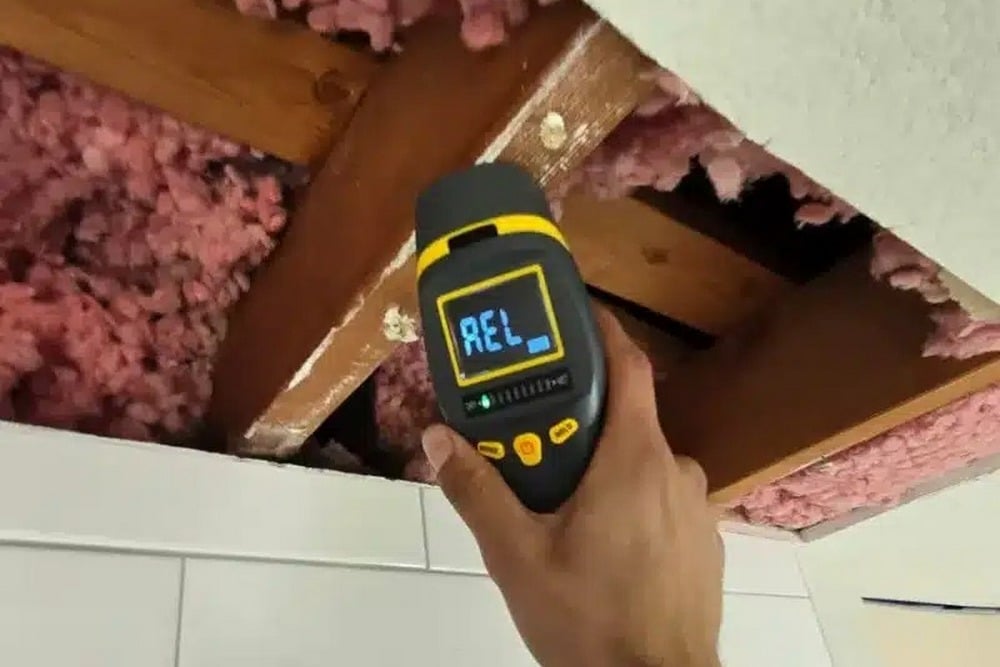
Moisture mapping is a method that allows technicians to measure moisture levels across different areas of a property. Using specialized equipment such as moisture meters and thermal imaging tools, restoration professionals can detect elevated moisture levels even when surfaces appear dry. This process creates a clear picture of where water has spread, including areas beneath flooring or behind cabinets where moisture may be hidden. By documenting moisture readings and outlining affected zones, technicians can create a targeted drying plan that focuses on the areas that need the most attention.
Why Moisture Mapping Improves the Drying Process
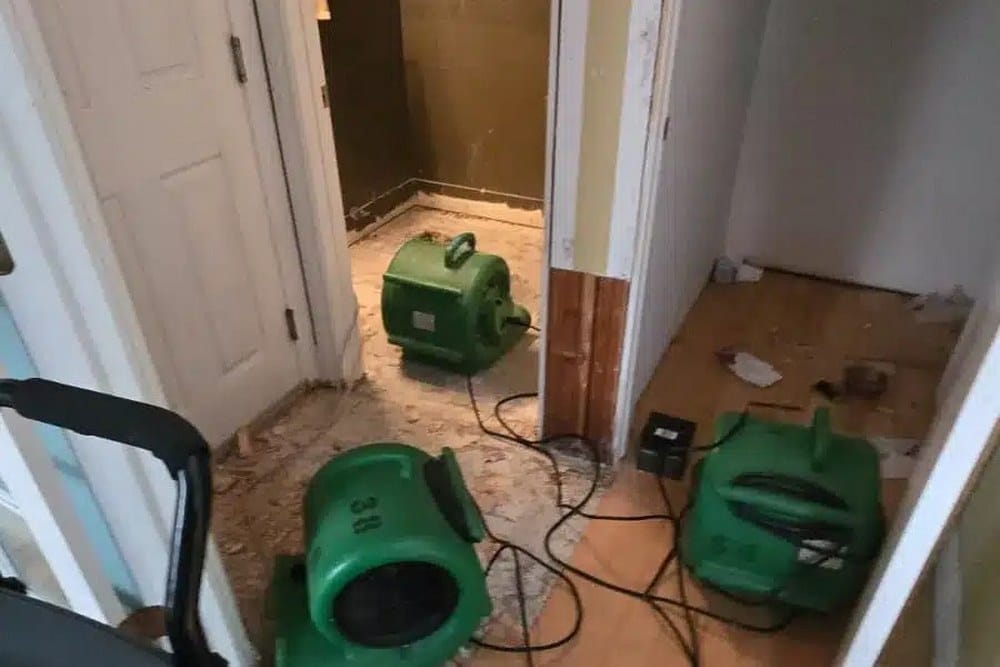
Accurate moisture detection is key to efficiently restoring a property after water damage. Instead of guessing where moisture might be located, moisture mapping provides clear data that guides the drying process. Technicians can position drying equipment in the most effective locations and monitor moisture levels as the structure begins to dry. This helps ensure that hidden moisture is removed instead of remaining trapped beneath surfaces. As a result, property owners benefit from a more thorough restoration process that reduces the likelihood of long-term structural damage.
Water damage can easily spread into hard-to-see areas, making early detection essential for protecting your property. Moisture mapping enables restoration professionals to locate hidden moisture beneath floors, behind cabinets, and in other concealed areas. By identifying the full extent of water intrusion, technicians can develop an effective drying strategy that addresses the problem at its source. Taking the time to locate and remove hidden moisture helps prevent additional damage and keeps your property in better condition after a water incident.
Protect Your Property with White Glove Restoration
Moisture mapping helps uncover water damage that may be hidden beneath floors, behind cabinets, and within other concealed areas after a leak or water intrusion. At White Glove Restoration, we use professional moisture-detection tools to accurately locate affected areas, identify where water has traveled, and create a more targeted drying plan for your property. Our team works quickly to address hidden moisture before it leads to more extensive damage, helping restore a cleaner, drier, and safer space. For 24/7 help, call (619) 759-5716, email office@whiteglove-restoration.com, or use our online form to schedule a free consultation and immediate assistance.