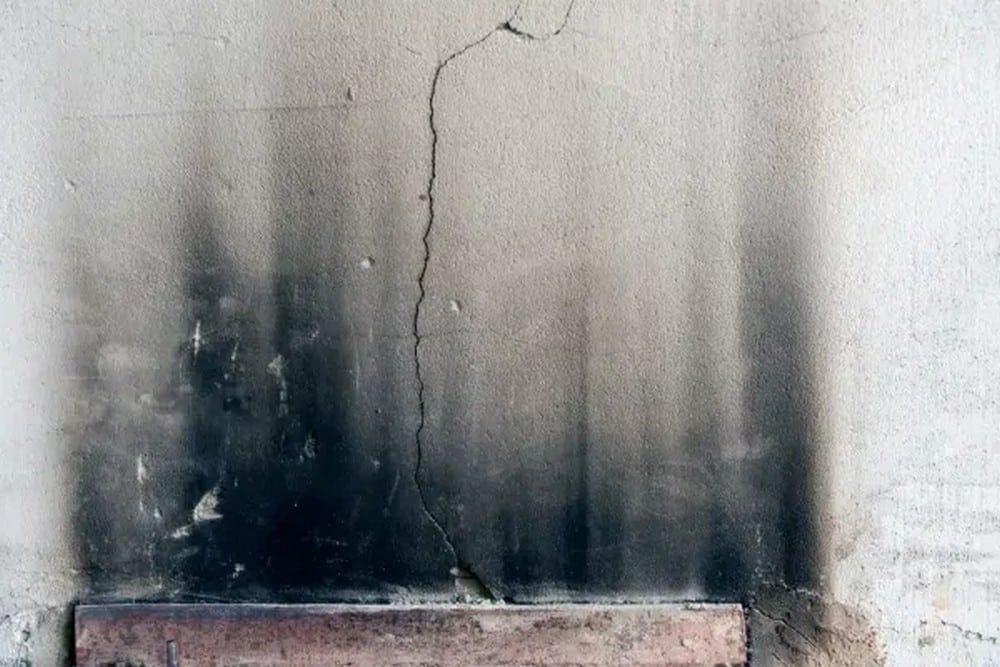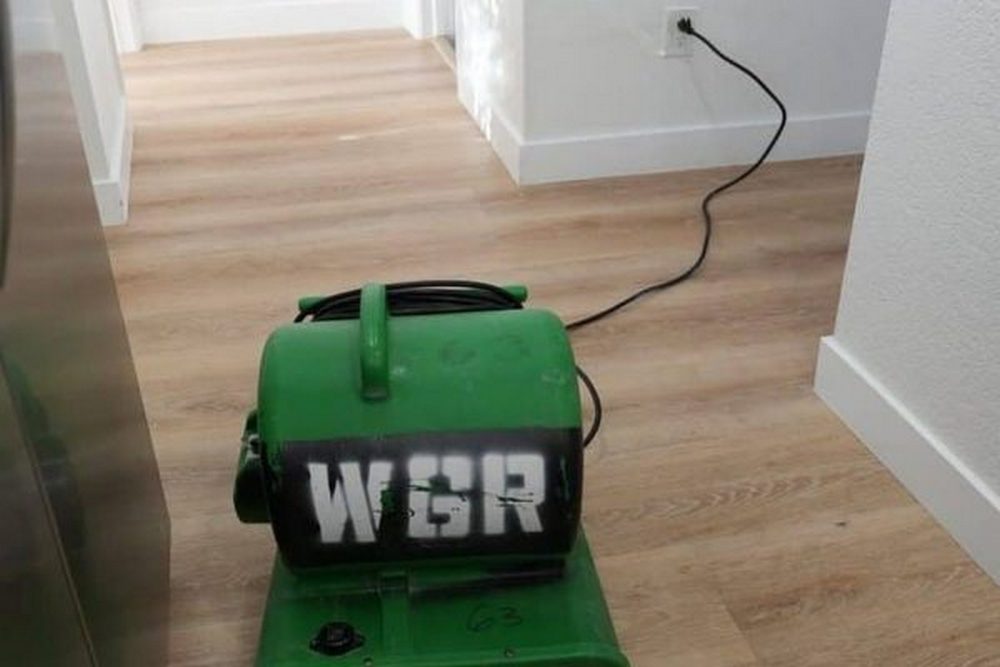
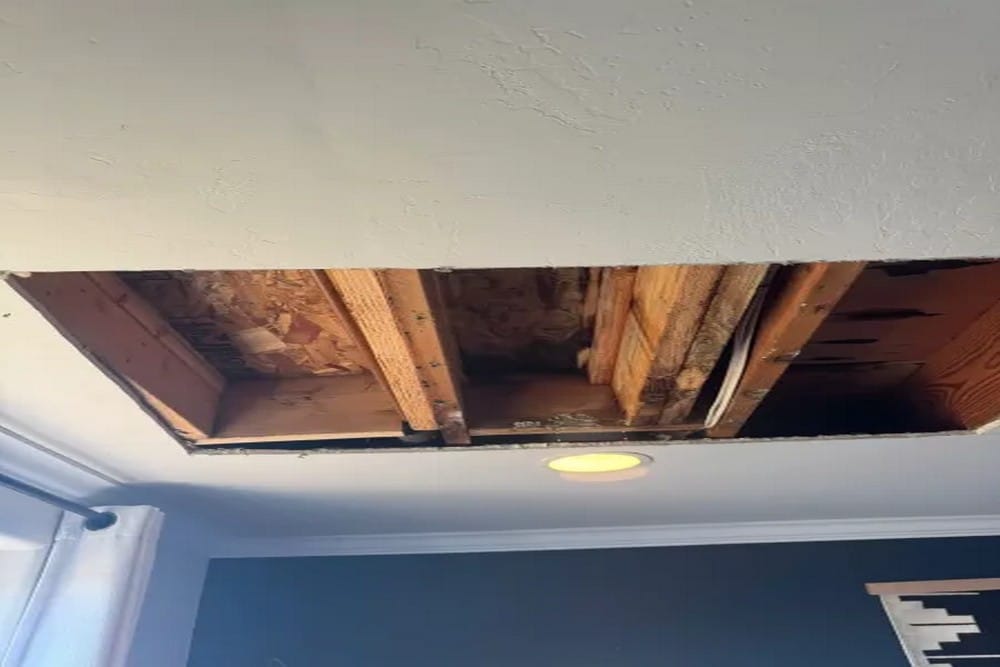
Your attic depends heavily on proper ventilation to regulate temperature and control moisture levels. When airflow is restricted or uneven, warm, moist air becomes trapped inside the space. This trapped moisture settles on cooler surfaces such as roof decking and wooden beams, creating condensation that does not easily evaporate.
Over time, this buildup of moisture provides the ideal conditions for mold to grow. Even if the rest of your home feels comfortable, your attic can develop a moisture imbalance that can lead to mold contamination. Without proper ventilation, the problem will not resolve on its own and will continue to worsen.
Condensation Is Often the First Warning Sign
Condensation is one of the earliest indicators that your attic ventilation may not be functioning properly. You may notice damp insulation, moisture on wooden surfaces, or even frost during cooler months that later melts and contributes to water buildup.
These conditions may seem minor at first, but they are often the beginning stages of mold development. When condensation becomes consistent, it signals that your attic is retaining too much moisture, making remediation necessary before the problem spreads further.
Mold Growth Follows Consistent Moisture Exposure
Once moisture is present in your attic, mold can begin to grow quickly. Mold spores naturally exist in the air, and when they land on damp surfaces, they start to grow and spread. Poor ventilation accelerates this process by preventing moisture from escaping.
As mold spreads across wood and insulation, it becomes more difficult to control. The longer it remains untreated, the more extensive the contamination becomes. Addressing the issue early through attic mold remediation helps limit the spread and protect your property.
Ventilation Issues Must Be Corrected During Remediation
Removing mold without addressing ventilation problems will only lead to recurring growth. Effective attic mold remediation includes identifying airflow issues and making the necessary adjustments to improve ventilation.
This may involve clearing blocked vents, improving air circulation, or ensuring that intake and exhaust systems are functioning properly. By correcting these issues, you create an environment where moisture is less likely to accumulate, reducing the chances of mold returning.
Restoring Balance to Your Attic Space
Attic mold remediation not only removes existing mold but also restores balance to your attic environment. Proper ventilation allows moisture to escape, helping maintain a dry and stable space that supports the overall health of your home.
Taking action when ventilation issues arise helps prevent long-term damage and ensures your attic remains in good condition. Addressing both mold and airflow issues simultaneously provides a more effective and lasting solution.
For 24/7 assistance, call (619) 759-5716, email office@whiteglove-restoration.com, or use our online form to schedule a free consultation and prompt support.