If you are wondering how quickly flood water should be removed, the answer is immediately. Floodwater should ideally be extracted within the first few hours after it enters your property, because damage begins almost immediately. Standing water can quickly soak into flooring, drywall, insulation, furniture, and structural materials, causing deterioration that becomes more difficult and expensive to repair over time. Throughout California, homeowners and business owners often face flooding from severe storms, plumbing failures, overflowing appliances, and other water-related emergencies. The longer water remains inside your property, the greater the risk of structural damage, contamination issues, and mold growth. Acting quickly helps preserve more of your property, reduces restoration costs, and increases the likelihood that affected materials can be saved rather than replaced.
Fast Water Removal vs. Delayed Water Removal
One of the best ways to understand the importance of immediate action is by comparing fast water removal with delayed water removal. When flood water is extracted within hours, moisture has less opportunity to penetrate deeply into walls, flooring systems, cabinets, and structural components. Drying equipment can begin working sooner, reducing the overall recovery timeline. In comparison, waiting one or two days allows water to spread further throughout the property. Materials become more saturated, odors may develop, and restoration costs often increase significantly. Delayed action can also result in the replacement of materials that might otherwise have been restored. Whether flooding occurs from a burst pipe, heavy rain, or a sewage backup, prompt mitigation almost always produces better outcomes than waiting for the damage to worsen.
Mold Growth Can Begin Within 24 to 48 Hours
One of the biggest concerns after a flood is the risk of mold growth. Under the right conditions, mold can begin developing within 24 to 48 hours after water intrusion occurs. Moisture trapped behind walls, beneath flooring, inside insulation, and within other concealed spaces creates an ideal environment for mold colonies to form. Comparing a property that receives immediate drying services to one left untreated for several days highlights a major difference in restoration complexity. Early mitigation often prevents mold from becoming a significant issue, while delayed drying can lead to additional remediation requirements and more extensive repairs. California’s varied climate can accelerate moisture-related problems, making rapid extraction and professional drying especially important for protecting both your property and your indoor air quality.
Professional Water Mitigation Helps Reduce Long-Term Damage
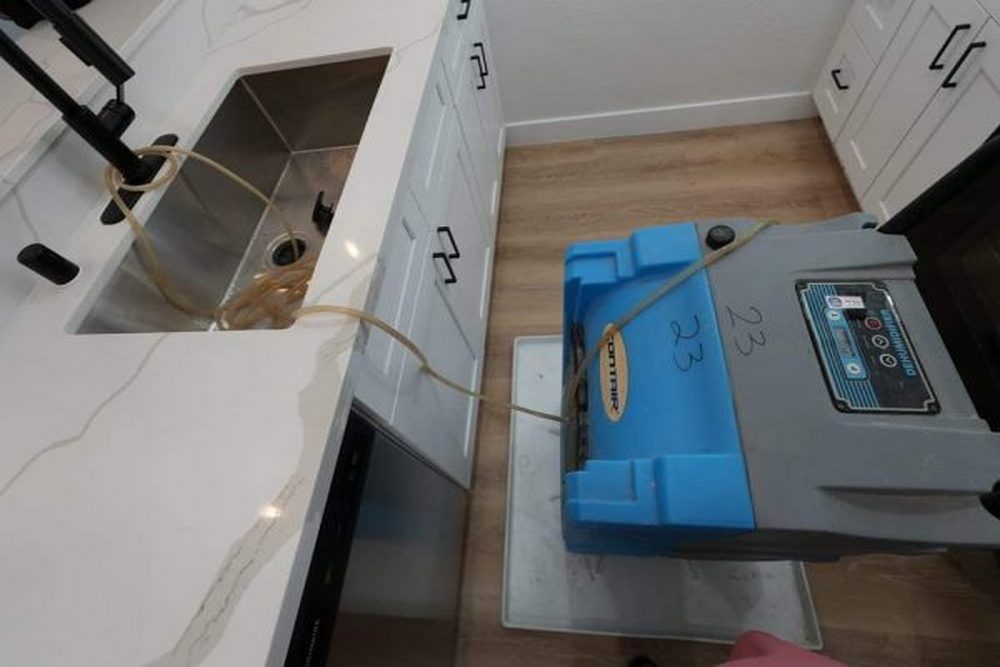
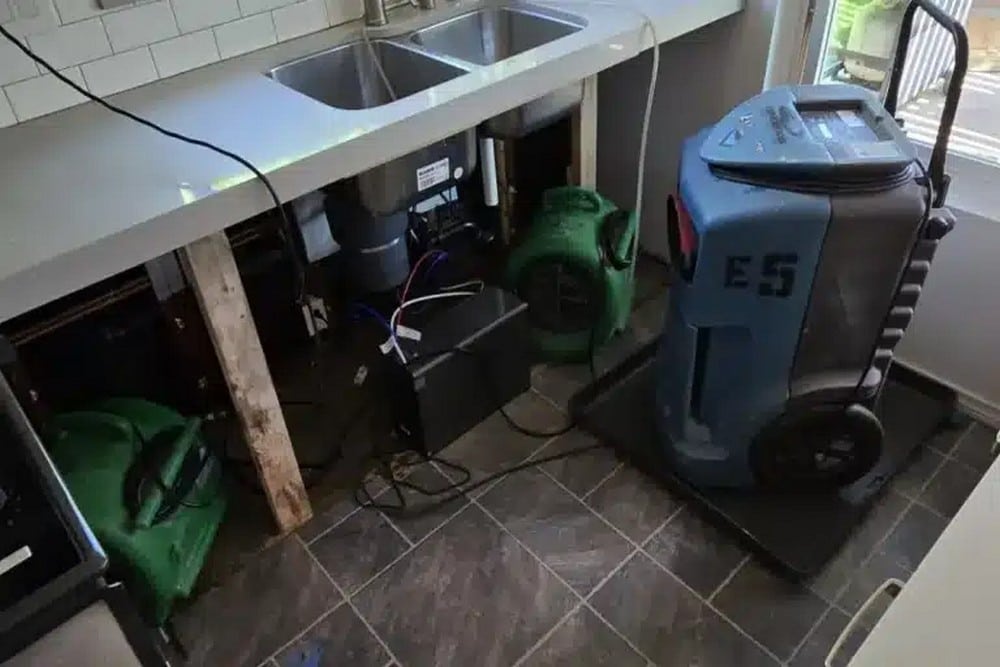
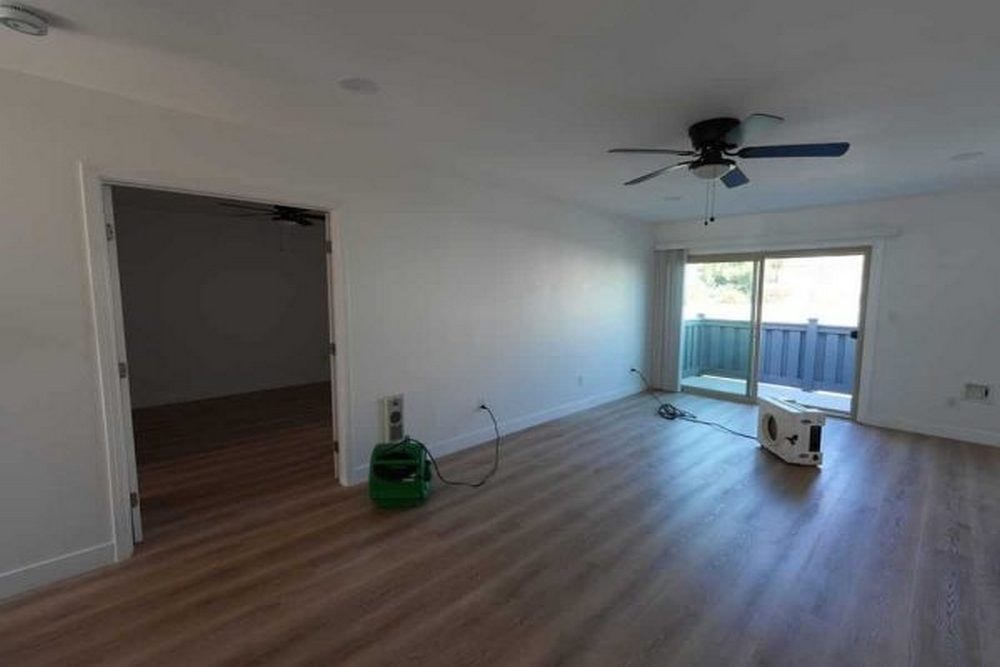
Removing visible standing water is only part of the recovery process. Professional water mitigation involves moisture detection, structural drying, dehumidification, and ongoing monitoring to ensure hidden moisture is properly addressed. Without specialized equipment, water can remain trapped inside walls, subfloors, and structural materials even after surfaces appear dry. Compared to household fans and basic cleanup methods, professional drying systems are designed to remove moisture more efficiently and thoroughly.
FAQ: Common Questions About Flood Water Removal
Property owners often have several questions after a flood occurs. How long can flood water sit before damage becomes severe? Damage can begin within hours, making immediate removal highly recommended. Can I remove flood water myself? Small amounts of clean water may be manageable, but significant flooding often requires professional equipment and expertise. How soon can mold start growing? Mold can begin developing within 24 to 48 hours under favorable conditions. Should I wait for my insurance adjuster before starting cleanup? Emergency mitigation is usually recommended to prevent additional damage, but thorough documentation should be completed before restoration begins. What happens if flood water remains too long? Structural materials may deteriorate, odors can develop, mold may grow, and restoration costs often increase substantially. If your property has experienced flooding, White Glove Restoration is ready to help with rapid water extraction, professional drying, and comprehensive restoration services. Whether you are in Los Angeles, Orange County, Riverside, San Bernardino, or a nearby Southern California community, contact White Glove Restoration today to schedule an inspection and begin the recovery process before flood damage worsens.
For 24/7 assistance, call (619) 759-5716, email office@whiteglove-restoration.com, or use our online form to schedule a free consultation and prompt support.