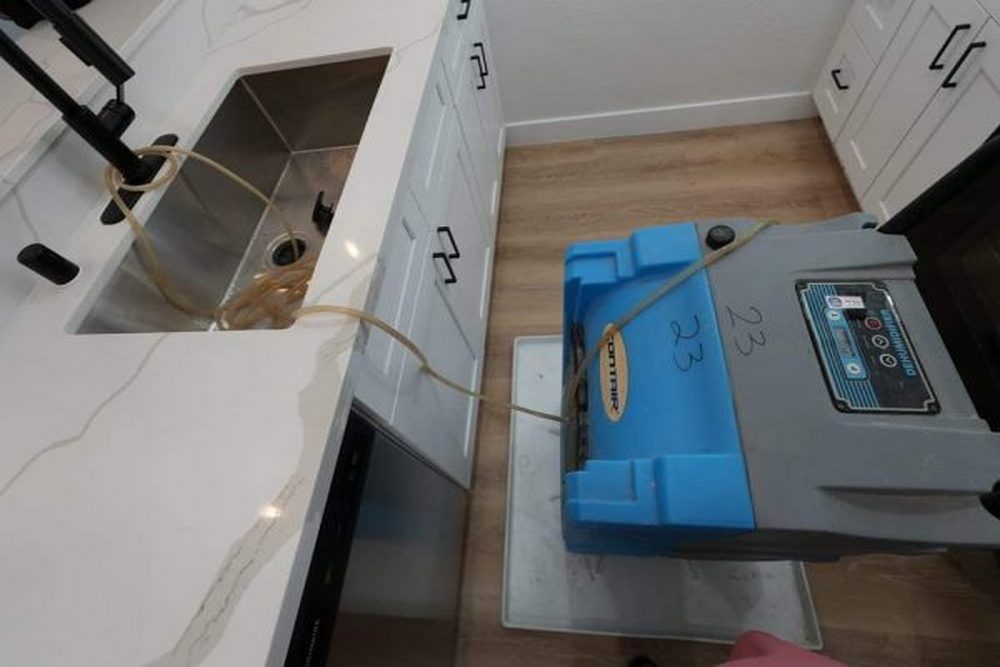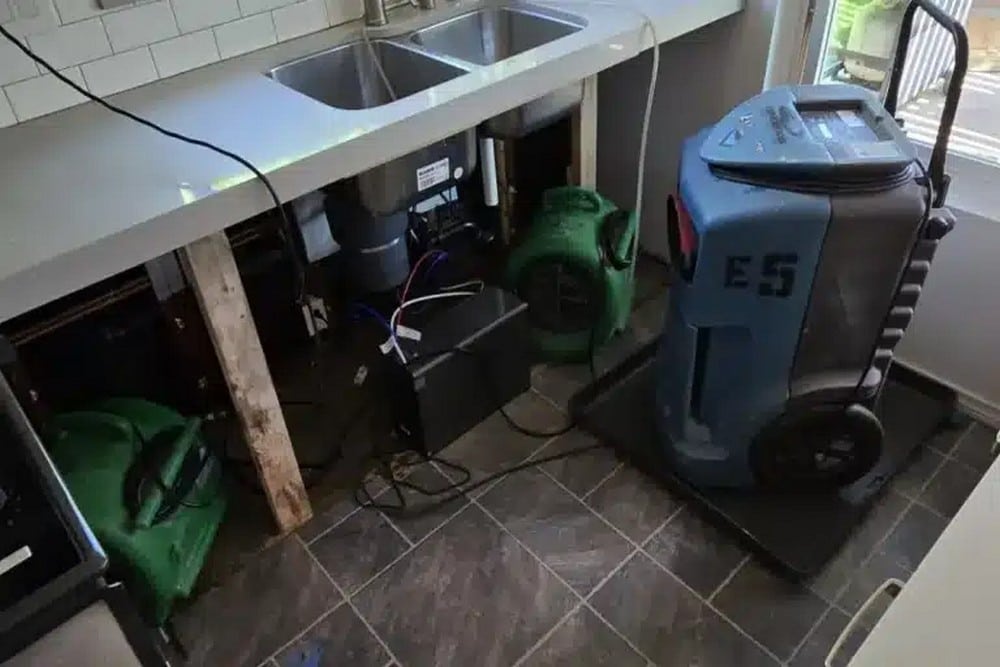
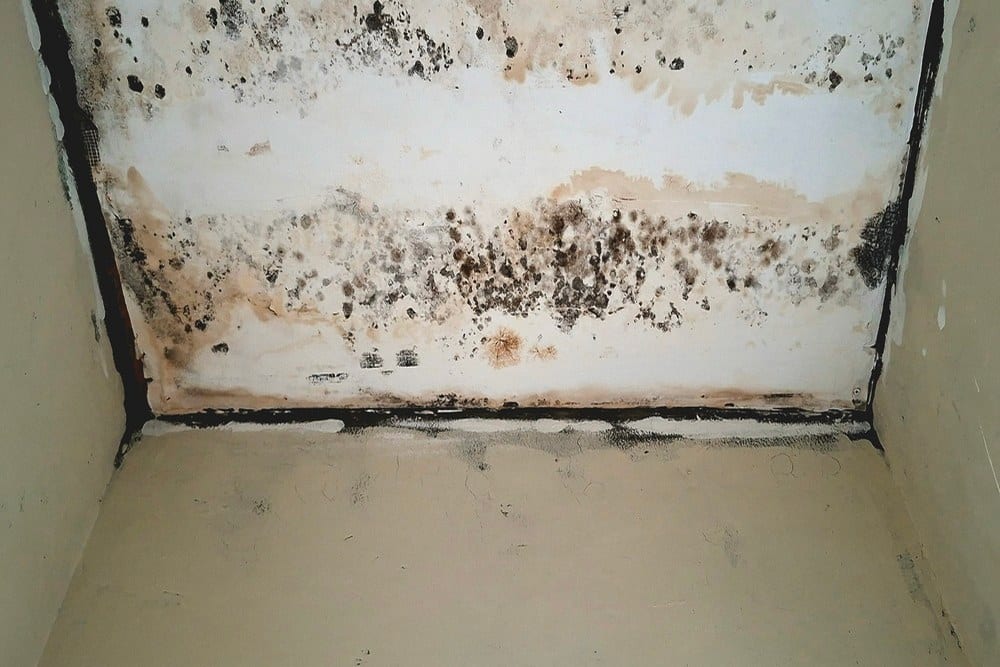
Mold can develop surprisingly quickly after water damage, especially when moisture remains trapped in walls, flooring, insulation, or attic spaces. In many situations, mold growth may begin within 24 to 48 hours if affected materials are not properly dried. Warm temperatures, humidity, and limited airflow create ideal conditions for spores to spread quickly throughout your property. In San Diego homes, coastal moisture and seasonal humidity can further increase the risk, particularly in enclosed spaces with limited ventilation. Water damage from roof leaks, burst pipes, appliance failures, or storm intrusion often leaves hidden moisture that is difficult to detect without professional equipment. Even when surfaces appear dry, moisture can still remain within structural materials and continue to feed mold growth behind the scenes. Acting quickly after water damage is one of the most important steps you can take to reduce long-term restoration issues and avoid larger structural concerns later.
Moisture Creates the Conditions Mold Needs to Spread
Mold naturally occurs in the environment, but it becomes a serious issue only when moisture allows it to grow and multiply indoors. Once water enters your home, porous materials such as drywall, carpeting, insulation, and wood begin absorbing that moisture immediately. If those materials remain damp for too long, mold spores can attach to the surfaces and spread into surrounding areas. Small leaks may seem less urgent than flooding, but slow moisture exposure can sometimes create more hidden mold growth because the problem often remains unnoticed longer. Areas like attics, crawl spaces, and behind cabinets are especially vulnerable because airflow tends to be restricted there. Comparing a quickly cleaned water spill to untreated water damage inside a wall cavity shows how important proper drying becomes. Surface moisture may dry rapidly, while hidden moisture continues affecting structural materials for days or weeks. This is why professional water damage restoration focuses not only on visible water removal but also on locating and drying moisture that is not easily visible.
Hidden Water Damage Often Leads to Larger Mold Problems
One of the biggest challenges after water damage is identifying where moisture has traveled throughout the property. Water can spread beneath flooring, behind drywall, inside insulation, and across attic framing without obvious visible signs. By the time staining or odors appear, mold growth may already be well established inside hidden areas of the home. In San Diego, properties with older plumbing systems or aging roofing materials can have slow leaks that go unnoticed for extended periods before becoming serious restoration concerns. Hidden mold growth may also affect indoor air quality as spores circulate through vents and living spaces. Comparing immediate and delayed cleanup highlights the importance of swift action. A quickly dried area may only require minor repairs, while untreated moisture can eventually lead to damaged framing, the need for insulation replacement, and extensive mold remediation services. Professional inspections with moisture-detection equipment help identify these hidden issues early and reduce the risk of widespread contamination throughout your property.
FAQ About Mold Growth After Water Damage
Many property owners ask how they can tell if mold is already developing after water exposure. One of the most common signs is a musty odor that becomes stronger over time, especially in enclosed areas like attics, closets, or behind walls. You may also notice discoloration on ceilings, walls, or baseboards where moisture has remained trapped. Another frequent question involves whether household fans are enough to dry affected areas. While fans may help dry surface moisture, they often cannot remove deep moisture trapped inside structural materials. Professional drying equipment is typically needed to fully address water intrusion and reduce the likelihood of mold growth. Property owners also often ask whether small leaks require professional restoration. Even limited water exposure can lead to long-term mold issues when hidden moisture goes untreated. In areas throughout San Diego County, including coastal neighborhoods where humidity levels fluctuate, mold can develop quickly after water damage if proper drying and remediation are delayed.
Fast Restoration Services Help Reduce Mold Risks
The faster you respond to water damage, the better your chances of reducing mold growth and limiting structural damage inside your property. Professional restoration services focus on removing standing water, detecting hidden moisture, drying affected materials, and identifying areas where mold may already be developing. Quick response times are especially important after roof leaks, plumbing failures, appliance overflows, or storm-related flooding because moisture spreads rapidly once it enters porous building materials. Proper drying and inspection also help reduce the risk of recurring mold problems. Whether your home is located near the San Diego coastline or farther inland, fast restoration support can make a significant difference in protecting your property from ongoing moisture-related issues. If you recently experienced water damage and are concerned about mold growth, White Glove Restoration is ready to help with professional inspections, drying services, and remediation support.
For 24/7 assistance, call (619) 759-5716, email office@whiteglove-restoration.com, or use our online form to schedule a free consultation and prompt support.