Yes, insurance may cover damage caused by a slab leak, but coverage often depends on the source of the leak and the specific terms of your policy. In many cases, homeowners insurance helps cover damage from a sudden, accidental water leak, including damaged flooring, drywall, carpeting, cabinetry, and other affected building materials. However, the actual repair or replacement of the leaking pipe beneath the concrete slab is frequently excluded. This distinction is important because many property owners assume that insurance automatically covers every aspect of the problem. Think of it as the difference between covering the consequences of a leak and covering the plumbing issue itself. If a slab leak causes water damage throughout your home in San Diego, Chula Vista, Oceanside, Carlsbad, Escondido, or nearby Southern California communities, your insurance company may evaluate the resulting property damage separately from the plumbing repair. Understanding this difference can help you set realistic expectations before filing a claim and beginning the restoration process.
What Insurance Companies Review When Evaluating a Slab Leak Claim
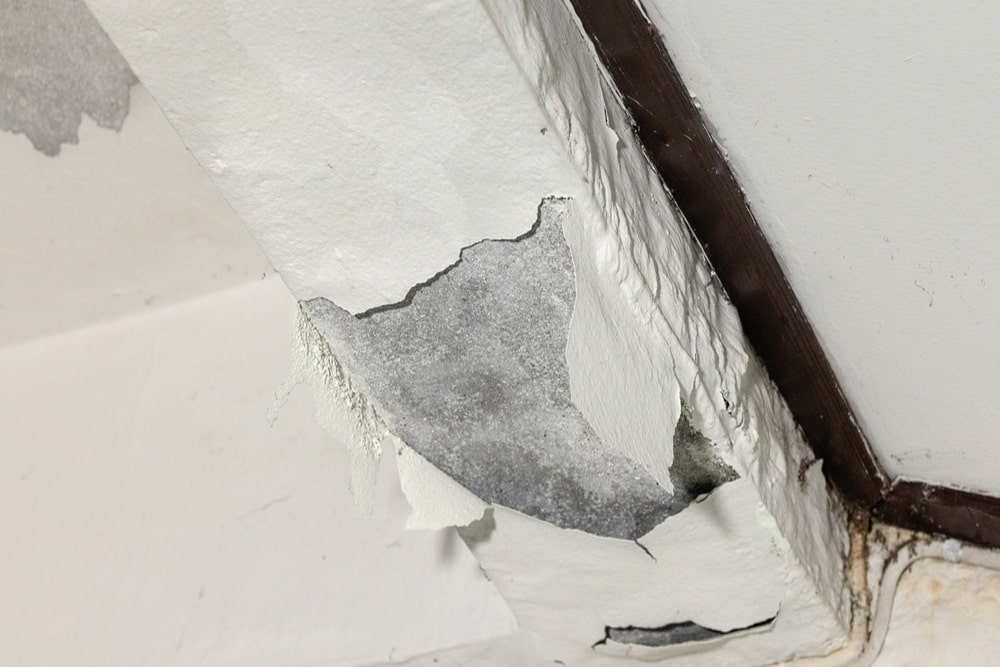
When you submit a slab leak claim, insurance adjusters typically investigate several factors before determining coverage. They want to determine how the leak occurred, how long it lasted, and whether the resulting damage falls under your policy’s covered causes of loss. A sudden pipe failure beneath a concrete foundation is often evaluated differently than a slow leak that may have existed for months or years. Insurance carriers frequently review plumbing inspections, water usage records, photographs, moisture reports, and mitigation documentation to establish a timeline. They may also examine signs of long-term deterioration, corrosion, improper installation, or deferred maintenance. Comparing a sudden pipe rupture to a slowly corroding pipe helps illustrate why coverage decisions can vary significantly. If evidence suggests the damage occurred gradually over an extended period, the claim may face additional scrutiny. Professional inspections and water damage assessments can provide valuable documentation to support your claim and identify the full extent of damage hidden beneath flooring, walls, and structural components.
Why Immediate Water Damage Mitigation Matters After a Slab Leak
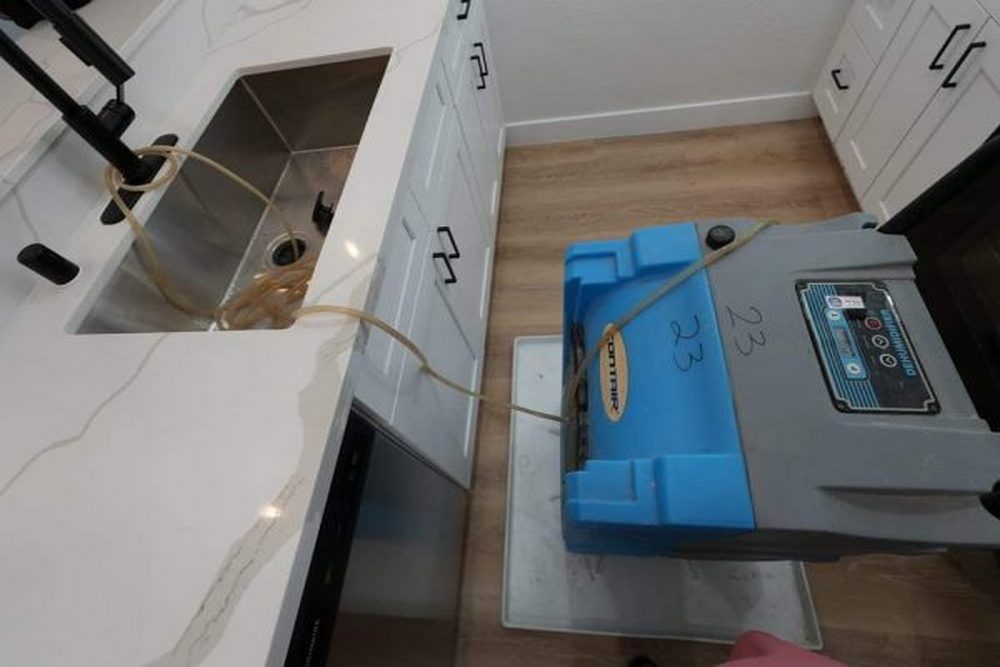
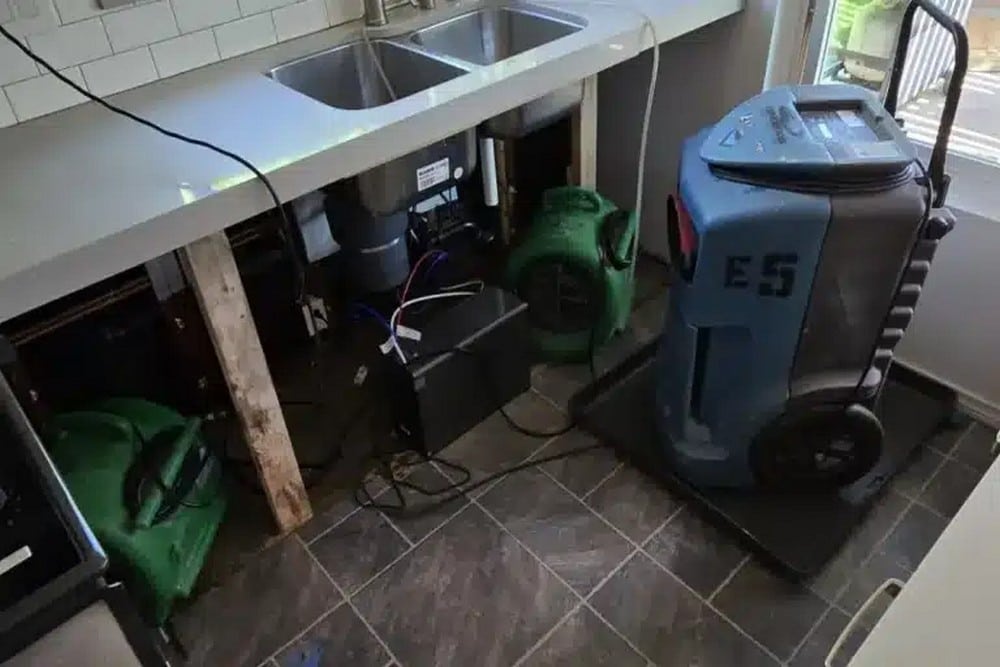
Once a slab leak is discovered, taking immediate action is critical for both your property and your insurance claim. Water trapped beneath flooring and foundations can migrate into surrounding materials, causing extensive damage if left untreated. Insurance providers generally expect you to take reasonable steps to reduce additional losses after identifying the issue. This process often includes emergency water extraction, moisture detection, structural drying, and, when necessary, the removal of damaged materials. Compare a homeowner who schedules professional mitigation within hours of discovering a slab leak to someone who delays action for several weeks. The property that receives immediate attention often experiences less secondary damage, fewer restoration expenses, and a more straightforward claims process. Throughout Southern California, including San Diego County and surrounding cities, rapid-response services help limit moisture intrusion and create documentation that insurers commonly request. Moisture readings, drying logs, photographs, and restoration reports can all serve as important evidence when demonstrating that you acted responsibly after discovering the leak.
Frequently Asked Questions About Slab Leak Insurance Coverage
Many homeowners have questions about slab leak claims and insurance coverage. One of the most common questions is whether homeowners insurance covers the cost of locating the leak. The answer depends on the policy, as some carriers provide limited coverage for leak detection while others may not. Another frequently asked question is whether mold caused by a slab leak is covered. Coverage often depends on whether the mold resulted from a covered water loss and whether mitigation began promptly. Property owners also ask if foundation repairs are included in a slab leak claim. In some situations, access to the damaged pipe may be covered, but foundation restoration varies based on policy language. Another common concern is whether hidden water damage behind walls or under flooring qualifies for reimbursement. Professional moisture inspections frequently uncover concealed damage that may support additional claim considerations. Understanding these frequently asked questions can help you communicate more effectively with your insurance provider and make informed decisions when addressing slab leak damage within your home.
Work With White Glove Restoration to Address Slab Leak Damage Quickly
Although insurance coverage for slab leaks varies by policy, one thing remains consistent: quick action helps protect your property and strengthen your documentation. The sooner you identify the source of the leak, begin mitigation, and document the damage, the easier it becomes to demonstrate the extent of the loss. White Glove Restoration provides professional water damage restoration, moisture detection, structural drying, mold remediation, and emergency response services throughout Southern California. Whether your property is in San Diego, Chula Vista, Carlsbad, Oceanside, Escondido, or a nearby service area, you can benefit from experienced restoration solutions designed to address damage from hidden plumbing leaks. Visit our Water Damage Restoration service page and your local city service page to learn more about available restoration services in your area. If you suspect a slab leak or have already discovered water damage affecting your property, contact White Glove Restoration today to schedule an inspection and begin the restoration process before additional damage spreads further throughout your home.
For 24/7 assistance, call (619) 759-5716, email office@whiteglove-restoration.com, or use our online form to schedule a free consultation and prompt support.