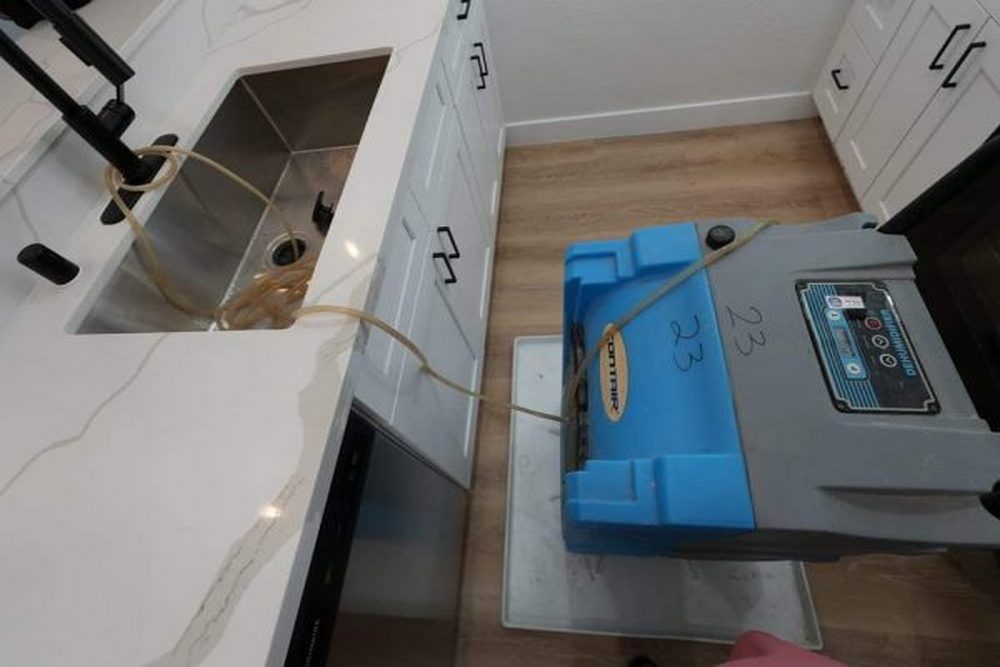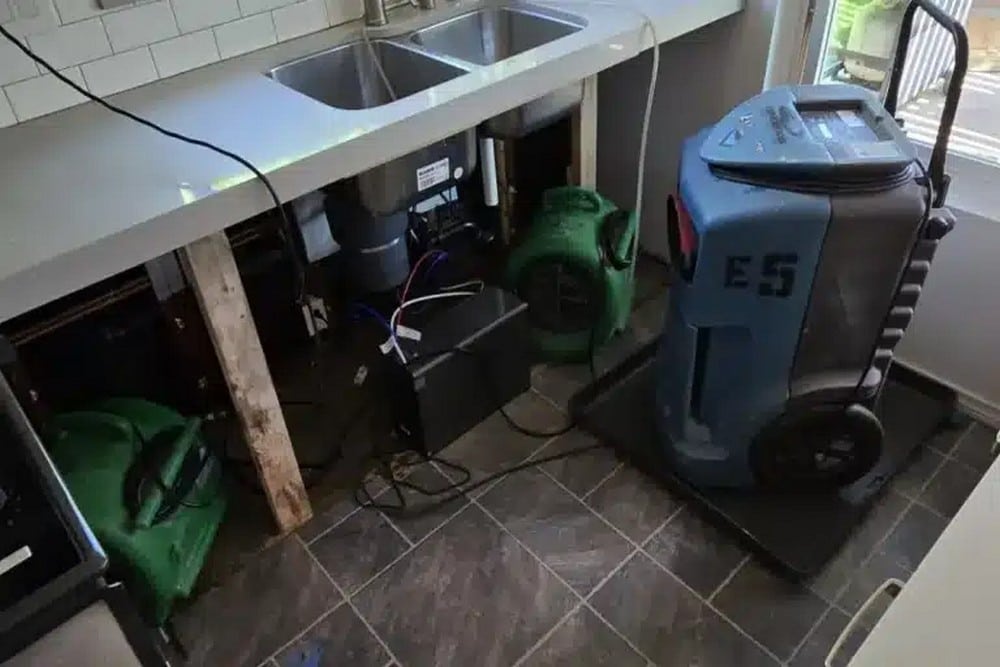
A burst pipe can release a large amount of water in a short period of time, and the damage is not always limited to what you can see. Water often travels beyond the original leak, moving behind walls, beneath flooring, and into structural materials. When moisture spreads into these hidden areas, it can continue causing damage long after the initial problem appears to be resolved. Recognizing the early signs of hidden water damage is important because it allows you to address the issue quickly and reduce the risk of more extensive burst pipe repairs. Paying attention to subtle changes in your home can help you catch problems before they spread further.
Unusual Stains and Discoloration on Walls or Ceilings
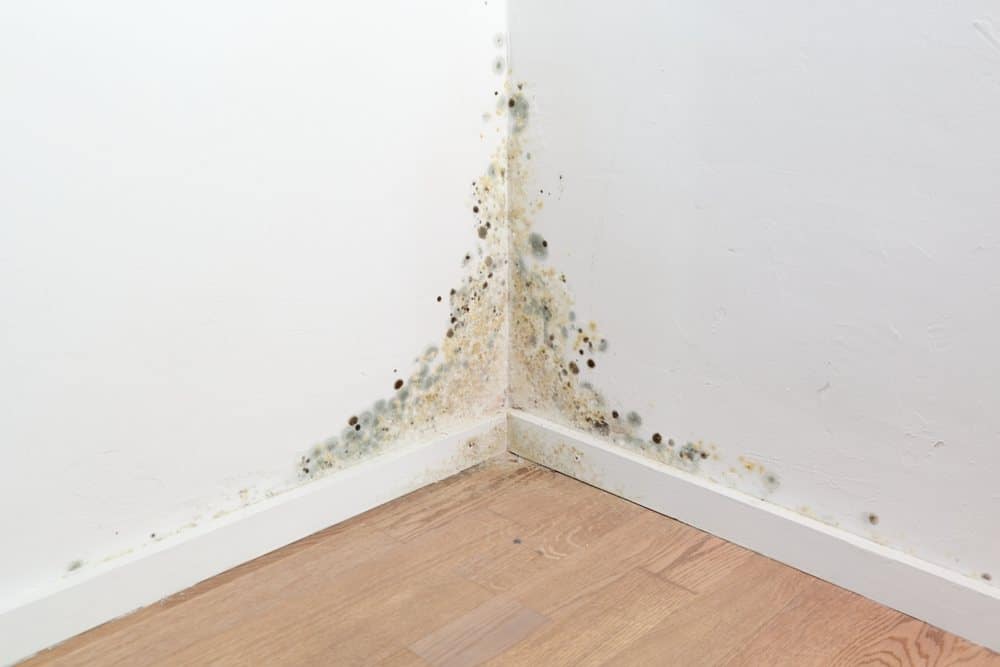
One of the most common indicators that water has traveled behind walls is the appearance of stains or discoloration. These marks often appear as yellow, brown, or darker patches that gradually expand over time. Paint may begin to bubble, peel, or crack as moisture seeps through the surface. Even if the burst pipe has already been repaired, lingering moisture inside the wall can continue to cause visible damage. When these types of stains appear, they often indicate that water is still present in the wall cavity or in surrounding building materials.
Soft or Warped Flooring
Water from a burst pipe can easily spread beneath flooring materials such as hardwood, laminate, or vinyl. When moisture reaches the subfloor, it may cause the flooring above it to feel soft, uneven, or slightly raised. Hardwood planks may begin to warp, cup, or separate along the edges, while laminate flooring can swell or buckle. In some cases, you might notice areas that feel spongy when you walk across them. These changes often indicate that water has moved beneath the surface and is affecting the structure below the flooring.
Musty Odors and Changes in Indoor Air
Another sign that moisture may be trapped behind walls or under floors is a musty or damp smell. This odor usually develops when moisture remains in building materials for an extended period. Even if the affected area appears dry on the surface, hidden moisture can cause noticeable changes in indoor air quality. If you detect persistent odors that seem stronger near certain rooms, walls, or cabinets, it may be a sign that water has traveled into concealed spaces where it cannot easily evaporate.
Water from a burst pipe can spread farther than expected, often reaching areas that are not immediately visible. Stains on walls, warped flooring, and musty odors are all warning signs that moisture may be present behind surfaces or beneath floors. Acting quickly when these signs appear can help limit additional damage and prevent further complications inside the structure. By identifying hidden water damage early and addressing it properly, you can protect your property and avoid more extensive repairs in the future.
Address Hidden Water Damage Quickly with White Glove Restoration
White Glove Restoration provides professional help when water from a burst pipe reaches hidden areas behind walls and beneath flooring. Warning signs like discoloration, peeling paint, soft spots underfoot, warped materials, or persistent damp odors can all suggest that moisture has spread farther than expected. Our team works to identify where the water has gone, evaluate the extent of the damage, and begin the drying and cleanup process to help reduce further damage to your property. For 24/7 assistance, call (619) 759-5716, email office@whiteglove-restoration.com, or use our online form to schedule a free consultation and prompt support