A small leak might not seem like a major problem at first, but even a limited amount of water can quickly affect drywall and insulation behind your walls. When moisture gets trapped in these materials, it creates the perfect conditions for mold to grow. Because drywall and insulation are porous, they absorb water easily and can hold moisture longer than you might expect. Taking quick action after a leak is discovered can help prevent long-term damage, unpleasant odors, and costly repairs. By properly drying affected materials and closely monitoring the area, you can reduce the risk of mold growth and keep your home in good condition.
Identifying the Extent of the Moisture Problem
Before drying drywall and insulation, it is important to understand how much water has spread and where it may be hiding. Water from a small leak can travel behind walls, under flooring, or into insulation without leaving obvious signs on the surface. Discoloration, peeling paint, soft, drywall, and musty odors often indicate moisture inside the wall. In some cases, using a moisture meter or thermal imaging device can help locate hidden damp areas. Identifying the full extent of the problem allows you to focus your drying efforts on all affected materials rather than just treating visible spots.
Properly Drying Wet Drywall
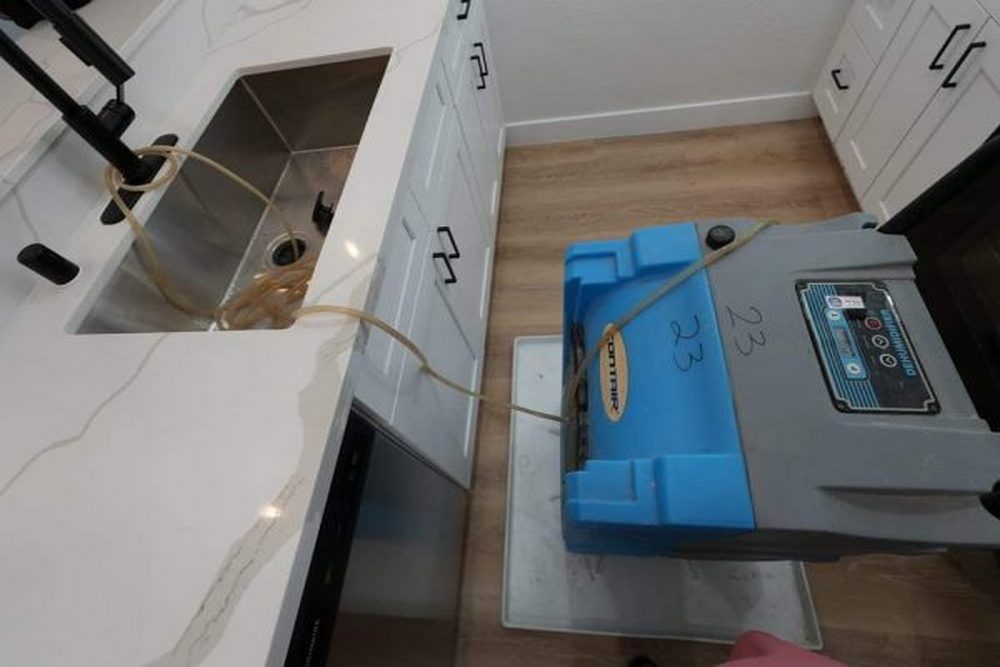
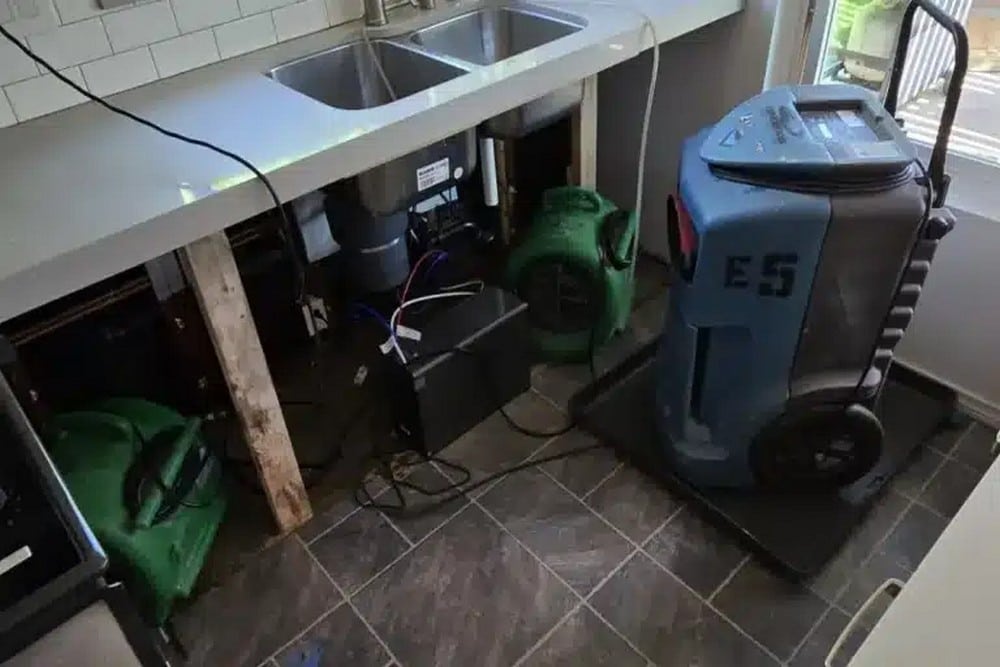
Once the source of the leak has been repaired, the next step is drying the drywall as quickly as possible. Increasing air circulation in the affected area is essential. Opening windows, running fans, and using dehumidifiers can help remove moisture from the air and speed up the drying of the drywall. If the drywall has only absorbed a small amount of water and still feels firm, it may be possible to dry it in place. However, if the drywall has become soft, swollen, or crumbly, the damaged section may need to be removed and replaced. Acting quickly during this stage helps prevent moisture from remaining trapped inside the wall.
Addressing Wet Insulation Behind the Walls
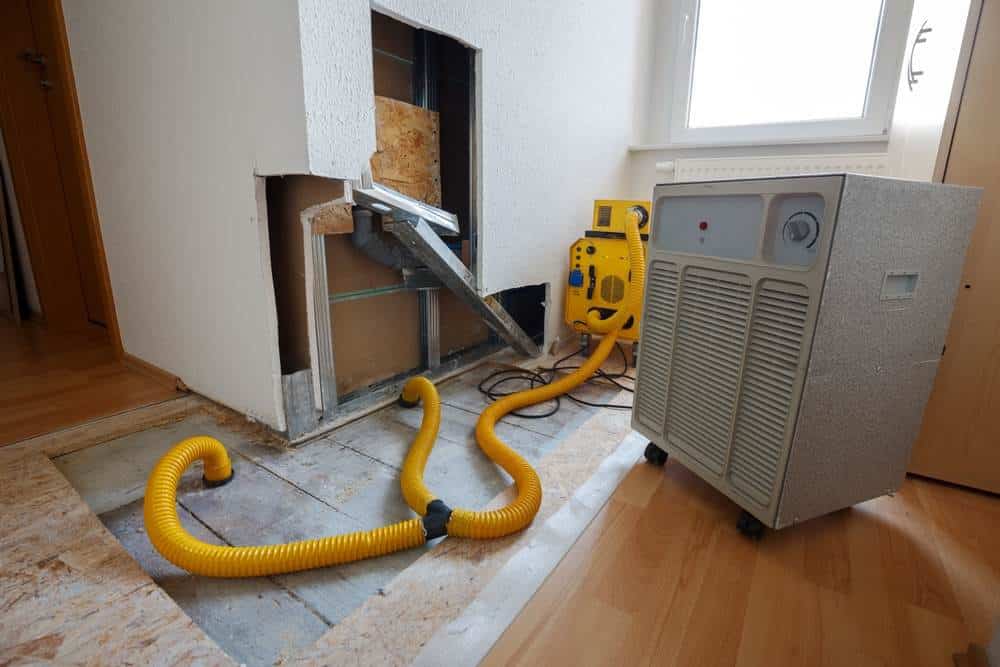
Insulation can hold moisture for long periods, making it one of the biggest concerns after a leak. Fiberglass insulation may dry if the moisture exposure was minor and the material has not been compressed. However, heavily saturated insulation usually loses its effectiveness and should be replaced. In some cases, small access openings may need to be created in the drywall to allow airflow into the wall cavity. This helps trapped moisture escape and speeds up the drying process. Proper ventilation and consistent airflow are key factors in preventing lingering dampness that can lead to mold.
Drying wet drywall and insulation quickly is the best way to reduce the risk of mold growth after a small leak. The sooner moisture is removed from affected materials, the less likely mold spores are to develop. Regular inspections, good airflow, and maintaining low indoor humidity levels all help keep walls dry after a water incident. By responding quickly and using effective drying techniques, you can protect your home from further damage and maintain a healthier indoor environment.
Prevent Mold After a Leak with White Glove Restoration
White Glove Restoration helps homeowners and businesses address moisture problems quickly after a minor leak, preventing mold from developing in drywall and insulation. Even minor leaks can trap hidden moisture behind walls, leading to further damage if not properly dried. Our team identifies affected areas, improves airflow and drying conditions, and ensures damp materials are handled correctly to reduce the risk of mold growth and additional structural issues. For 24/7 assistance, call (619) 759-5716, email office@whiteglove-restoration.com, or use our online form to schedule a free consultation and immediate support.