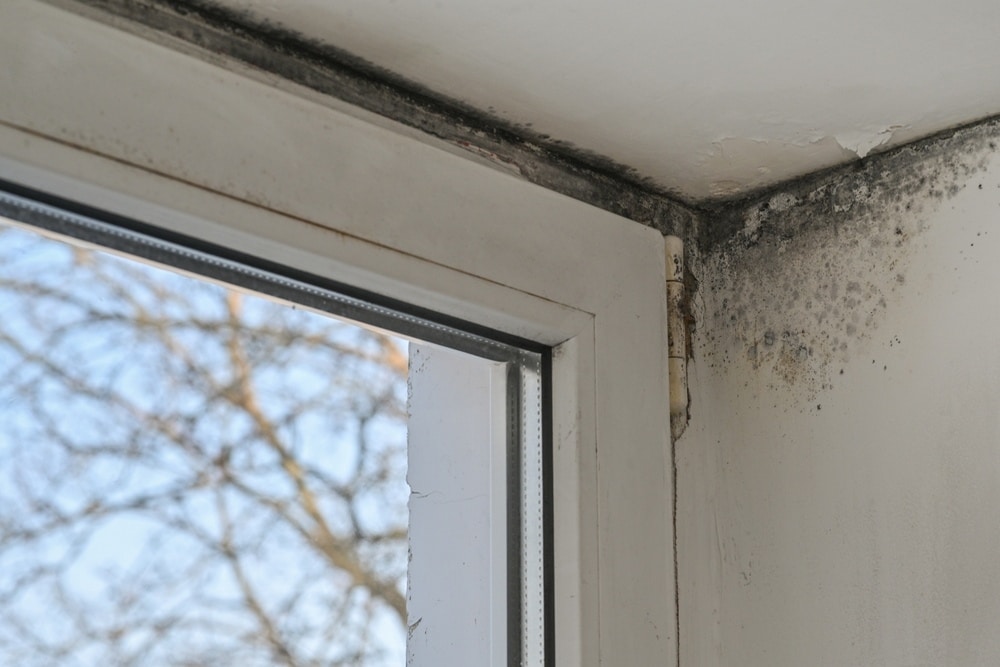
When water damage strikes your home, mold becomes a serious concern. It can begin forming within 24 to 48 hours if moisture is left behind. Whether the source is a burst pipe, an overflowing appliance, storm runoff, or a hidden leak, excess moisture creates the perfect conditions for mold to grow. You may not see it right away, but water can soak into drywall, insulation, flooring, cabinets, and framing. Even areas that feel dry on the surface can hold moisture deep inside. If you wait too long, mold can spread quietly and affect your indoor air quality, trigger allergies, and damage building materials. Preventing mold starts with understanding that water damage is not just a cleanup issue. It is a time-sensitive problem that requires quick, informed action. When you recognize the urgency early, you give yourself the best chance to stop mold before it takes hold and protect your home from long-term damage.
How Fast Drying Protects Your Home From Mold
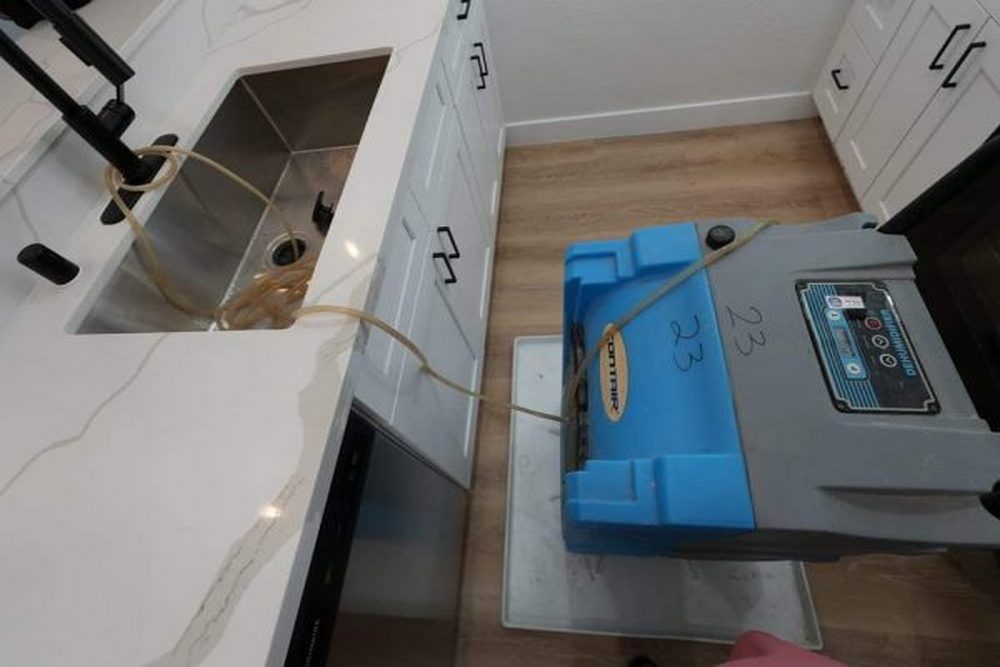
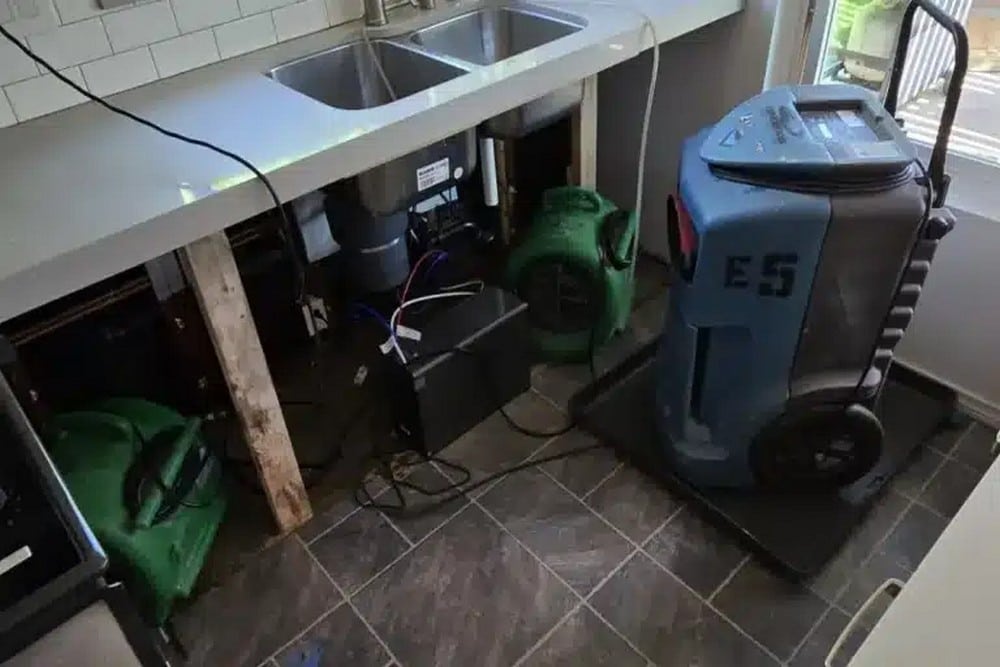
Speed is one of the most critical factors in preventing mold growth after water damage. Standing water needs to be removed as soon as possible, but that is only the first step. Moisture trapped inside walls, floors, and ceilings must also be addressed. Professional drying uses specialized equipment to control humidity, increase airflow, and remove moisture from structural materials. If drying is incomplete or uneven, mold can still develop in hidden spaces. You may be tempted to rely on household fans or dehumidifiers, but these tools often cannot reach deep moisture or maintain consistent conditions across affected areas. Proper drying focuses on the entire environment, not just visible wet spots. When temperature, airflow, and humidity are balanced correctly, mold struggles to survive. Acting quickly and thoroughly during the drying phase is one of the most effective ways to prevent microbial growth and reduce the risk of future repairs.
Key Steps You Can Take Right Away to Reduce Mold Risk
After water damage, there are practical steps you can take immediately to reduce the chance of mold forming. These actions support professional restoration efforts and help limit further exposure.
- Stop the source of water if it is safe to do so
- Remove standing water as soon as possible.
- Open windows and doors when the weather allows to improve airflow
- Remove wet rugs, cushions, and personal items from affected areas.
- Avoid using affected rooms until they are adequately dried.
- Watch for musty odors or discoloration on walls and ceilings.
- Do not paint or cover wet surfaces, as this can trap moisture.
Immediate Actions After a Water Event
-
Shut off the source (main water valve or appliance supply) if possible.
-
Extract standing water with a wet vac and start drying immediately using fans and dehumidifiers.
-
Move contents off wet flooring and elevate furniture to prevent staining and delamination.
-
Document the damage (photos/video) for insurance.
Rapid response limits swelling, warping, and mold growth.
This checklist helps you stay focused during a stressful situation. While these steps can slow mold growth, they do not replace professional drying and assessment. Mold often forms where you cannot see it, such as behind baseboards or inside wall cavities. Taking early action gives you a stronger starting point and reduces the overall impact of water damage on your home.
Why Hidden Moisture Is the Biggest Mold Threat
One of the biggest challenges after water damage is the moisture you cannot see. Water naturally follows gravity and resistance paths, spreading into framing, subfloors, and insulation. Even when surfaces feel dry, moisture can remain trapped inside materials for days or weeks. This hidden moisture is where mold often begins. You may notice signs later, such as warped flooring, peeling paint, or persistent odors, but by then the problem has already grown. Preventing mold requires proper moisture detection using professional tools that measure humidity levels and moisture content inside structures. Addressing these hidden pockets early helps prevent mold from spreading. It also protects your home’s structural integrity and reduces the likelihood of future issues. By treating water damage as a full-structure concern rather than a surface problem, you significantly improve your chances of keeping mold out of your living space.
How We Help You Prevent Mold After Water Damage
When water enters your home, acting fast makes all the difference. We step in quickly to assess the extent of the damage, remove excess water, and thoroughly dry affected areas. Our process focuses on controlling moisture levels and addressing conditions that promote mold growth. We also identify areas at risk for microbial activity and take steps to manage those concerns as part of the restoration process. By handling water removal, drying, and moisture control together, we help restore your home safely and reduce the risk of mold returning later. If you need immediate assistance, we are available 24 hours a day to help you take control of the situation. For support at any time, call (619) 679-9237, email office@whiteglove-restoration.com, or use our online form to schedule a free consultation.